Morocco Currency Guide: How to Use the Dirham
Your No-BS Guide to Morocco Currency: Everything About the Moroccan Dirham
So you’re heading to Morocco? Awesome choice! But here’s the thing—understanding Morocco currency before you go will literally save you hundreds of dollars (or euros, or whatever you’re spending). The Moroccan Dirham has some quirky rules that trip up pretty much every first-time visitor, but don’t worry—I’ve got your back. Let’s dive into how money actually works in Morocco so you’re not that confused tourist getting fleeced at the airport exchange counter.
Let’s Start with the Basics: The Moroccan Dirham (MAD)
What’s the Deal with Morocco’s Money?
Alright, so the currency in Morocco is called the Moroccan Dirham. Pretty straightforward, right? The official code is MAD (which honestly sounds way cooler than it is), though locals just call it “DH.” When you’re wandering through those gorgeous souks, you’ll see prices written with this symbol: د.م. That’s the Arabic way of writing dirhams.
Each dirham breaks down into 100 smaller units called santim (or centimes if you’re feeling French). But real talk? You’ll barely ever use these tiny coins—most stuff is priced in whole dirhams anyway.
What the Money Actually Looks Like
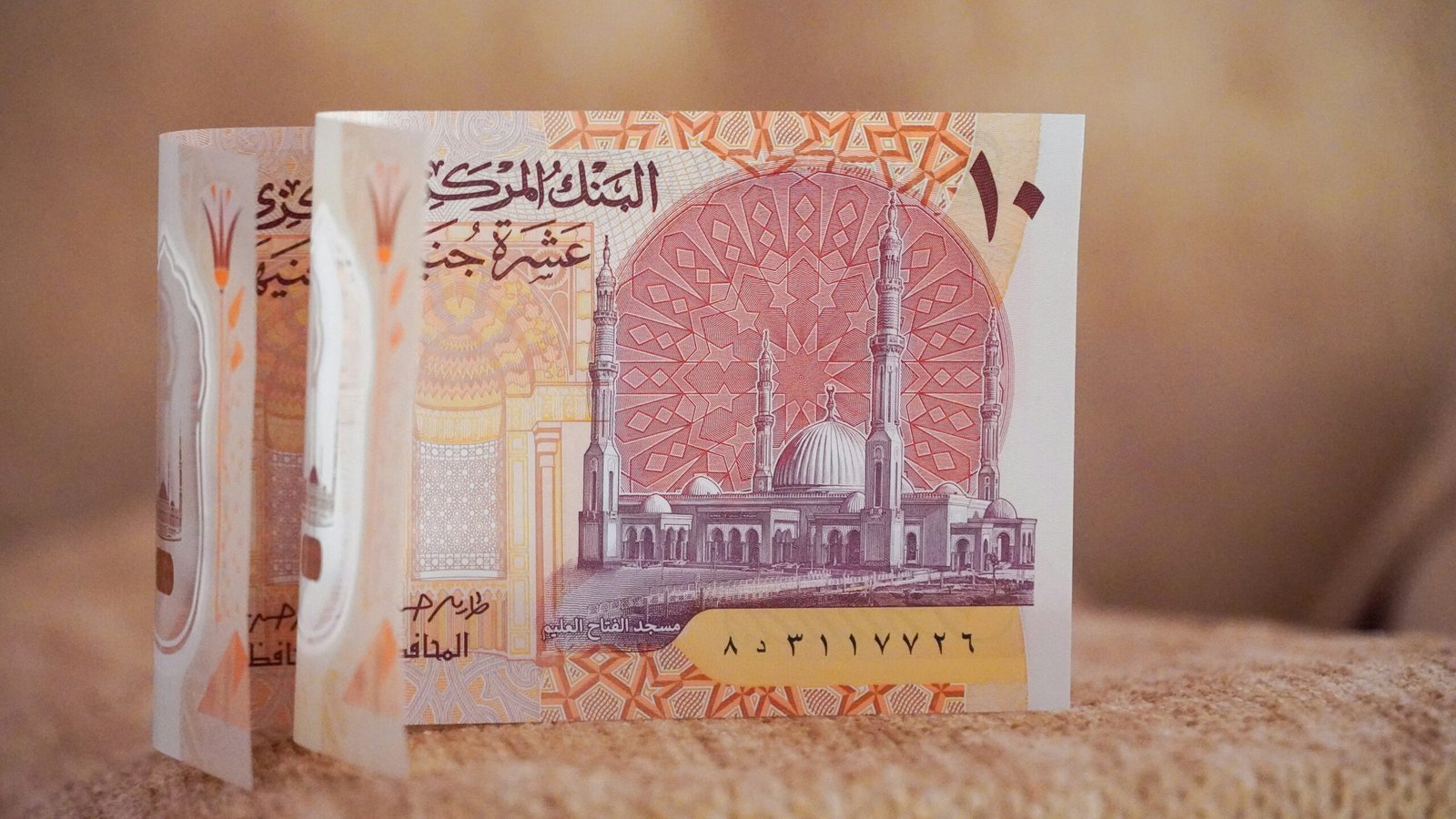
Bills: You’ll mainly see 20, 50, 100, and 200 dirham notes floating around. They’re actually pretty nice-looking—colorful, with King Mohammed VI on them and some cool Moroccan architecture designs.
Coins: There’s a whole bunch—1, 2, 5, 10, 20, and 50 centime coins, plus 1, 2, 5, and 10 dirham coins. Pro tip: that chunky 10 dirham coin becomes your best friend for tipping and buying stuff from street vendors.
Here’s the Weird Part: You Can’t Get Dirhams Before You Arrive
Okay, this is super important and honestly kind of annoying. The Moroccan Dirham is what’s called a “closed currency.” What does that mean? Basically, you can’t walk into your bank at home and say “Hey, give me some dirhams!” It’s literally illegal to bring MAD into Morocco or take it out of the country (well, you can take about $200 worth, but that’s it).
So yeah, you can’t order it online, you can’t get it from your local currency exchange, and you definitely can’t stock up before your flight. You’ve gotta wait until you land in Morocco to get your hands on any dirhams. And before you leave? You’ll need to exchange whatever’s left back to your home currency or you’re stuck with fancy Moroccan souvenirs that only work in one country.
You can view more official guidelines about dress and customs through the official Moroccan tourism website
How to Actually Get Money in Morocco (Without Getting Ripped Off)
Know What the Real Exchange Rate Is
Before you even pack your bags, check the mid-market exchange rate. This is the actual exchange rate—like, the real deal without any BS markups. Banks and currency exchangers add their fees on top of this, so knowing the mid-market rate helps you spot when someone’s trying to rip you off.
I use Wise’s currency converter to check rates. It’s free, it’s accurate, and it’ll save you from getting totally screwed over. Trust me on this one.
Where to Exchange Your Money (Ranked from Best to Worst)
Never, Ever Use Airport or Hotel Exchanges: Look, I get it—you just landed, you’re tired, and that exchange desk at the airport looks so convenient. But they’re counting on that! Airport and hotel exchanges have the absolute worst rates. We’re talking 10-15% markups. Unless it’s a genuine emergency, just walk on by.
Bureaux de Change Are Your Friends: These are basically official money exchange offices, and they’re everywhere in cities and touristy spots. They usually have pretty decent rates and they’re legit (government-licensed and everything). This is where you’ll probably do most of your exchanging.
Banks Are… Fine: Banks will exchange your money too, but their rates aren’t quite as good as the exchange offices. Plus, they’re only open weird hours—like 8:30 AM to 4:30 PM on weekdays. Not super convenient when you’re out exploring all day.
One More Thing: You’ll need your passport to exchange money anywhere. It’s the law. Also, make sure your bills are in good shape—they’re picky about accepting old or beat-up foreign cash. If you’re bringing US dollars, anything printed before 2005 might get rejected.
ATMs Are Actually Your Best Bet
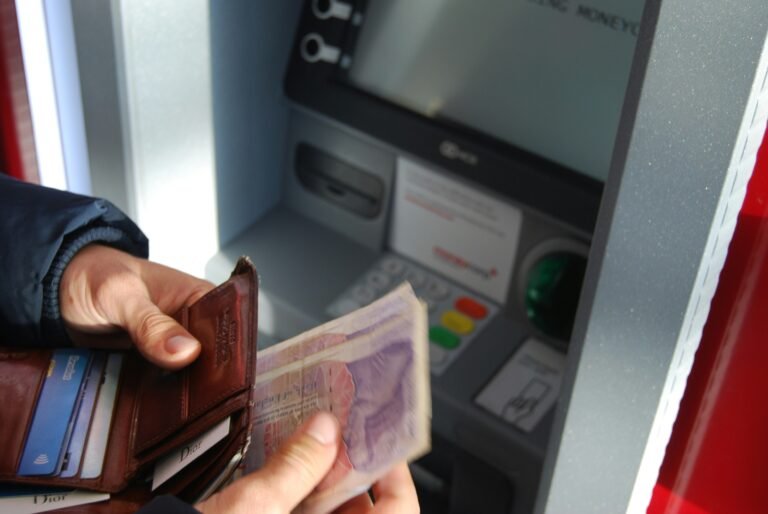
Here’s what most seasoned travelers won’t tell you right away: ATMs (or guichets automatiques if you’re being fancy) are honestly the easiest way to get cash. They’re literally everywhere—cities, small towns, even touristy spots in the desert.
Safety First Though: Only use ATMs that are inside actual bank buildings where there’s security. Those random standalone ATMs on sketchy streets? Yeah, skip those.
The Sneaky ATM Trick You Need to Know: This one’s HUGE. When you’re withdrawing money, the ATM will sometimes ask if you want to be charged in your home currency instead of dirhams. It sounds helpful, right? WRONG. This is called Dynamic Currency Conversion and it’s basically a scam that costs you an extra 5-10%. Always choose to be charged in dirhams. Let your home bank do the conversion—it’ll be way cheaper.
The Fine Print: Most ATMs will only let you take out around 2,000 MAD at a time (that’s roughly €190 or $200). You’ll also get hit with fees—usually 30-35 MAD per withdrawal, plus whatever your bank charges. If you can, get a travel card that doesn’t charge international fees. It’s a game-changer.
How to Spend Your Money Like a Smart Traveler
Cash Is Still King Here
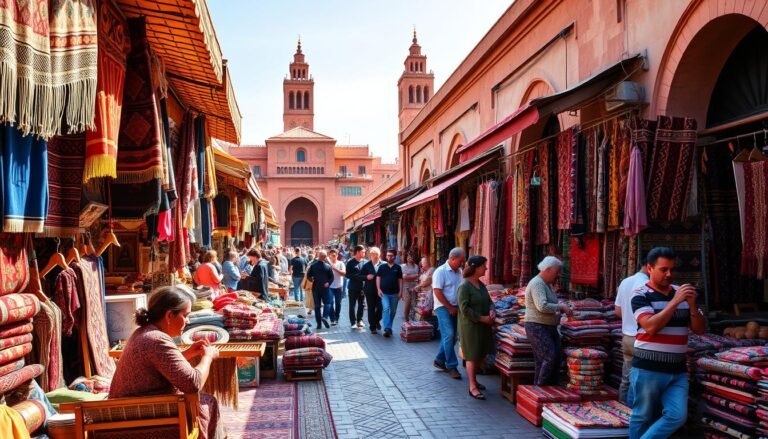
Real talk: Morocco runs on cash. Sure, you can use cards in fancy hotels and nice restaurants in the big cities, but for everything else? You need actual physical dirhams. Souks, small shops, street food, taxis, your riad in the medina—they all want cash.
Keep a stash of small bills (20s and 50s especially) because vendors always claim they don’t have change for your 200 dirham note. Sometimes it’s true, sometimes it’s not, but either way, small bills make your life easier.
Cards Work… Sometimes
You can use Visa and MasterCard in cities and touristy areas, but here’s the catch: lots of places will slap on an extra 5% fee for using cards. Plus your bank might charge you international transaction fees (usually 1-3%). It adds up fast.
My advice? Get one of those travel cards like the Wise card that uses the real exchange rate and doesn’t charge foreign transaction fees. It’ll save you a ton.
What Stuff Actually Costs (The Real Numbers)
Here’s something nobody tells you: Morocco basically has two pricing systems. There’s “Tourist Morocco” where everything’s in English and ridiculously overpriced, and then there’s “Local Morocco” where the food’s better and everything costs a fraction of the price.
What You’ll Actually Spend (per day):
- Ultra Budget: €15-30 (staying in hostels, eating street food, walking everywhere)
- Backpacker: €25-50 (budget hotels, mix of street and sit-down food, occasional tours)
- Mid-Range: €40-80 (nice riads, restaurant meals, guided tours, some shopping)
My Favorite Money-Saving Tricks
The €3 Tagine Test: In local neighborhoods, a legit street tagine should cost you about €2.50–€3.50 (30-50 MAD). If you’re paying €15-25, you’re in tourist territory and probably eating mediocre food. This goes for all Moroccan dishes—find where the locals eat and you’ll pay way less for way better food.
Best Breakfast Ever for €1: Fresh-squeezed orange juice? 50 cents. Moroccan bread with amlou (this amazing argan almond spread)? About a euro. Meanwhile, hotel breakfasts charge you €10-15 for stale croissants.
How to Spot Authentic Restaurants: Look for plastic chairs, no English menu, prices only in Arabic numbers, and lots of Moroccan families eating there. That’s where the magic happens.
Haggling 101: Bargaining is totally normal in Morocco for souvenirs and stuff in the souks. Never take the first price—start at about a third of what they’re asking. But here’s the rule: never haggle over food. That’s super disrespectful. Seriously, don’t be that person.
Tipping Etiquette
Tipping’s expected pretty much everywhere in Morocco. It’s not a huge deal though—just round up your restaurant bill or leave 5-10% if the service was good.
Tour guides appreciate 20-50 MAD per day. Bathroom attendants, parking guys, bellhops—usually 5-10 MAD does the trick. When in doubt, watch what the locals do.
Quick FAQ (The Stuff Everyone Asks)
What currency is used in Morocco?
The Moroccan Dirham (MAD). That’s it, that’s all they take.
Is Morocco cash or card?
Definitely cash. Like, 80% of what you’ll buy needs to be paid in actual dirhams.
How much can I withdraw from ATMs?
Usually around 2,000 Dirhams per transaction. Need more? Just do multiple withdrawals.
Should I haggle?
Yep! For souvenirs, crafts, carpets—go for it. Just not for food. That’s a no-go.
Do I need to tip?
Yeah, it’s expected. Nothing crazy—5-10% at restaurants is fine.
Can I just use dollars or euros?
Technically some touristy places will take them, but you’ll get absolutely terrible exchange rates. Just use dirhams.
Wrap-Up: Make Your Money Work for You
Look, understanding how Morocco currency works isn’t rocket science, but it’ll make your trip SO much smoother. The Moroccan Dirham might seem complicated with its closed-currency rules, but once you’re there, it’s actually pretty easy.
Here’s your game plan: Use ATMs inside banks (and always decline that conversion trick), carry small bills everywhere, eat where locals eat, and don’t be shy about haggling in the souks. The currency in Morocco rewards travelers who do their homework—you’ll spend way less and have way more authentic experiences.
Whether you’re on a shoestring budget or splurging a bit, these tips will help you make the most of every dirham. Morocco’s incredible, and now you won’t waste half your budget on bad exchange rates and tourist traps. Get out there, explore those medinas, try that 3-euro tagine, and create some amazing memories—without going broke in the process!
Read more personal experiences in our travel blog