Credit Cards & ATMs in Morocco: What Travelers Need to Know
Why Understanding Morocco’s Financial Shift is Essential
So here’s the thing about Morocco—it’s in this really interesting spot financially. Technically, it’s labeled as “Developing” when it comes to digital payments, but don’t let that fool you. The government’s going all-in on digitalization with their “Digital Morocco 2030” plan, which sounds pretty ambitious, right?
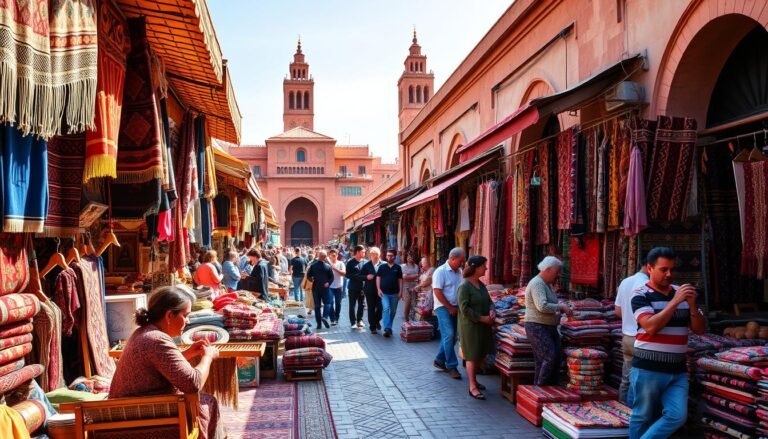
But here’s where it gets tricky for us travelers. Despite all these fancy digital payment pushes, Moroccans still love their cash—especially in places like the Marrakesh souks. Trust me, you’ll quickly discover that having a shiny contactless card means nothing when you’re haggling over a beautiful carpet in the medina!
The country’s central bank, Bank Al-Maghrib (everyone just calls it BAM), is basically trying to drag Morocco into the digital age while respecting that old-school cash culture. Whether you’re planning a quick vacation, thinking about investing, or considering a longer stay, you’ve gotta understand this weird financial dance. It’ll save you so much hassle—and money!
Currency Corner: Mastering the Moroccan Dirham (MAD)
The Closed Currency Rule and Exchange Strategy
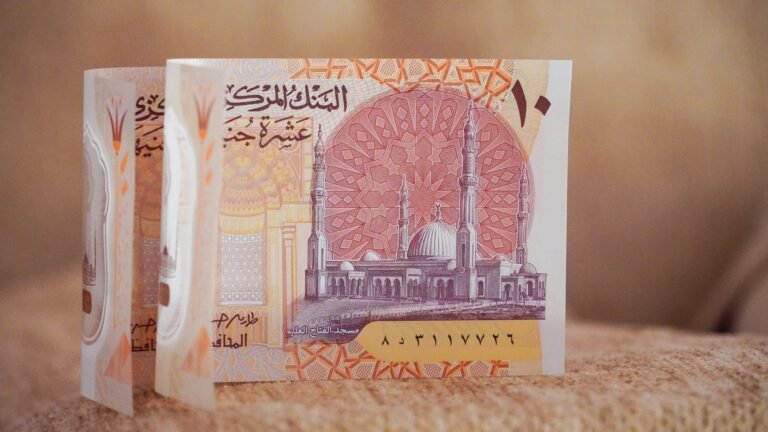
Okay, first things first—the Moroccan Dirham is what they call a “closed currency.” What does that mean? You literally can’t buy or sell it outside Morocco. Like, at all. Legally, anyway.
So forget about swinging by your bank at home to grab some Dirhams before your flight. It’s not happening. Your move? Hit up the airport ATM or exchange counter the second you land. Yeah, I know—airport exchange rates usually suck (they’re notorious for being terrible), but you’ll need some cash right away for taxis, tips, and that first mint tea.
Pro tip from someone who learned the hard way: grab just enough at the airport for immediate stuff, then head to a proper bank or exchange office in town once you’re settled. Your wallet will thank you.
Navigating ATM Fees and Withdrawal Limits
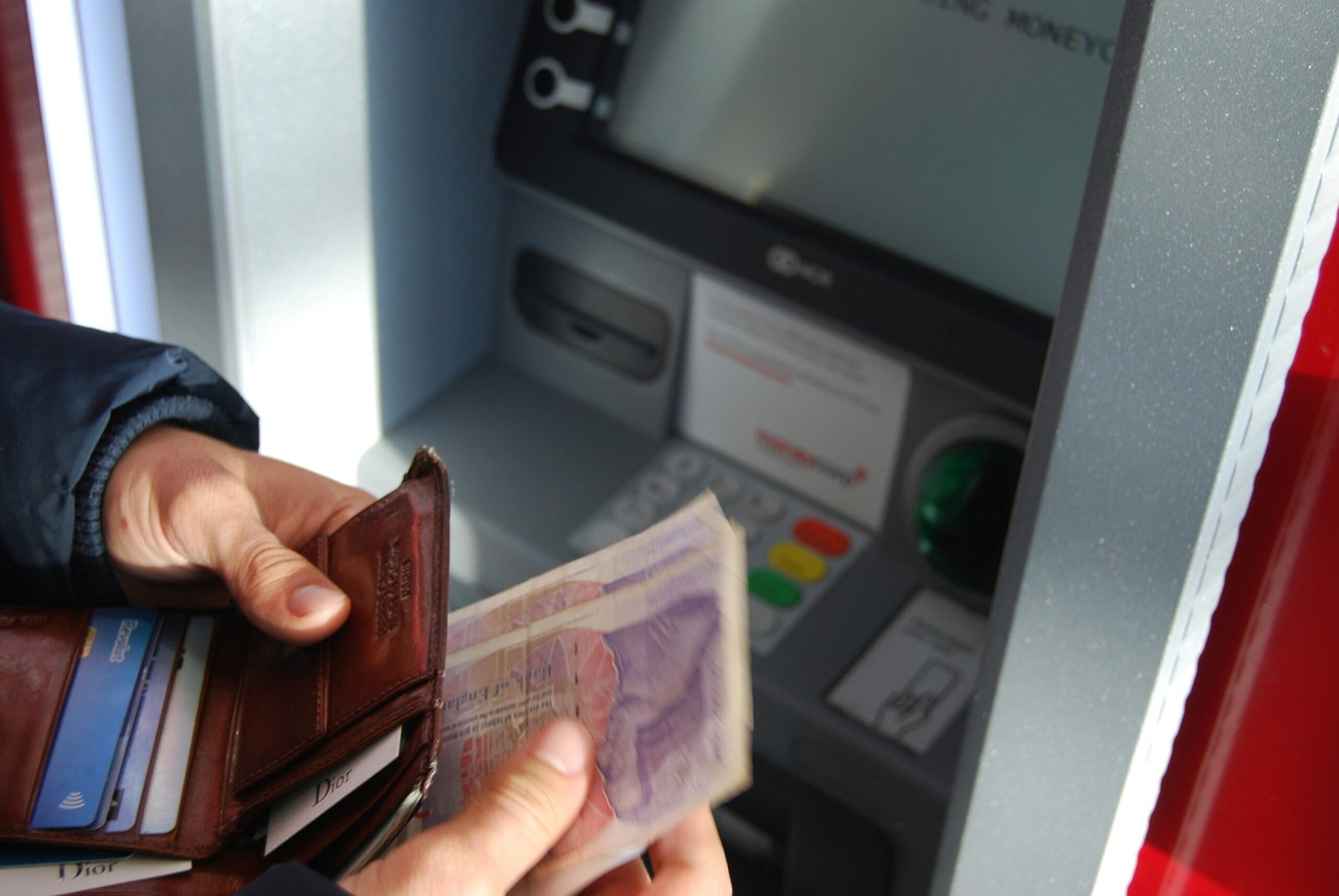
Let’s talk about everyone’s least favorite topic: ATM fees Morocco style. Honestly, they’re kind of brutal. You’ve got your home bank charging you, the Moroccan ATM slapping on its fee, and sometimes your card company adding their own little surprise charge. Before you know it, you’re paying 5-8% just to access your own money. Ouch.
And wait, it gets better (not really). Most cash machines in morocco will only let you withdraw around 2,000 Dirhams a day—that’s roughly $200 USD. Need more? Well, you’re either coming back tomorrow or using multiple cards like some kind of ATM ninja. It’s super annoying when you’re trying to pay for a riad or make a big purchase.
Here’s the real kicker though: you NEED cash for the souks. Like, seriously need it. In traditional markets like Souk Haddadine, cash isn’t just preferred—it’s the only option. Those vendors don’t have card readers, and honestly? Haggling with actual banknotes in your hand is part of the whole experience. You can’t really negotiate the same way waving a credit card around. Keep cash on you for markets, tipping, street food, and those random moments when your card is basically just a piece of plastic.
To locate the nearest ATMs in Morocco that are compatible with your card, we recommend using the official ATM locator tool from Visa:
Digital Payment Systems (DPS) in Morocco: Adoption and Technology
Key Components of Morocco’s Digital Ecosystem
Morocco’s actually got some pretty cool payment tech going on. We’re talking instant transfers, mobile payments (m-wallets like Orange Money are getting popular), NFC contactless stuff, QR codes—the whole nine yards. It’s like they’ve got all the ingredients for a digital payment paradise.
In the bigger cities—Casablanca, Rabat, Marrakesh’s modern areas—you’ll find plenty of places taking cards. Nice hotels, fancy restaurants, chain stores… they’re all set up for it. The tech backbone is actually pretty solid with AI for fraud detection, cloud computing, all that jazz.
But here’s the plot twist: having the technology doesn’t mean everyone’s using it. It’s kind of like having a gym membership—sure, it’s there, but… you know?
Digital Payments vs. Cash Preference
Ready for a reality check? Only about 30% of Moroccans over 15 had made or received a digital payment as of 2021. Yeah, really. So even though the infrastructure’s there, people just aren’t biting.
Why? Well, it’s complicated. Cash has been king here for… forever. It’s what your grandparents used, what your parents use, what everyone trusts. Digital payments? They’re still the new kid on the block, and a lot of folks are skeptical about security and privacy.
Plus—and this is huge—there’s a real digital literacy gap. In rural areas especially, people might not have smartphones, reliable internet, or even basic tech skills. You can build all the fancy payment apps you want, but if someone’s never used a smartphone before, good luck explaining mobile banking to them. The government’s working on education programs, but it’s gonna take time.
Critical Banking & Regulatory Insights for Expats and Investors
Essential Account Types
Alright, if you’re moving to Morocco or investing there, listen up—this part’s important. The bank account you choose actually matters a LOT.
For most foreign investors (we’re talking like 90%), you’ll want something called a Convertible Dirham Account. Fancy name, specific rules: you can only fund it with foreign currency from abroad. Can’t just deposit Dirhams you got from selling stuff locally—nope, not allowed. But here’s why it’s worth it: when you eventually want to take your money back home, you can actually do that. It’s convertible (hence the name). Super important for real estate deals or business investments.
There are also Euro Accounts if you want to keep everything in euros and avoid exchange rate headaches, or Non-Convertible Dirham Accounts if you’re planning to stay forever and never need to move money internationally. Each has its own quirks and fees, so do your homework.
Customs Declarations and Deposits
Quick heads up: bringing in more than €10,000 in cash? You’ve gotta declare it at customs when you arrive. And I don’t mean “technically you should”—I mean you HAVE to, because if you don’t, you can’t legally deposit that money into your Moroccan bank account later.
Yeah, it’s a pain, but it’s also about preventing money laundering and keeping things legit. Just declare it, get your paperwork, and save yourself a massive headache down the road.
Recommended Financial Institutions
Shopping for a bank? CFG Bank gets awesome reviews for customer service—they’re apparently really good with foreigners who don’t speak Arabic or French fluently. If you’re the type who wants a human to actually help you, they’re your jam.
Tijari Wafa Bank, on the other hand, has this slick digital platform that’s honestly pretty impressive. Great app, good online banking, perfect if you’re tech-savvy and don’t want to visit branches all the time. Both have decent ATM networks, though fees vary, so compare before you commit.
Policy and Security: Leveraging AI and International Collaboration
Cybersecurity Challenges and AI Solutions
Okay, so everyone worries about digital payment security, right? Card skimming, phishing, fraud—it’s real, and it’s one reason why the whole cash vs card Morocco debate gets heated. People trust what they can hold.
But here’s the cool part: AI is becoming like this super-powered fraud detective. Banks are using artificial intelligence to spot weird transaction patterns, catch fraudsters in real-time, and flag suspicious stuff that humans would totally miss. And it’s getting smarter all the time, learning new fraud tricks as they pop up.
Generative AI is even helping reduce those annoying false declines—you know, when your legit purchase gets blocked because the system freaks out? Yeah, AI’s making that happen less. So while security threats are real, the defenses are getting pretty sophisticated too.
Driving Financial Inclusion through Infrastructure
Morocco’s got this big goal: get everyone into the digital economy. But you can’t do that without the basics—reliable internet, especially in rural areas. They’re expanding broadband and upgrading data centers, which sounds boring but is actually crucial.
The other piece? Education. You can have the world’s best payment app, but if people don’t know how to use it or are scared to try, what’s the point? The government and NGOs are running campaigns teaching people basic smartphone skills, online safety, how digital payments actually work—the whole deal.
What really works? Getting trusted community leaders to demonstrate this stuff. When the local respected elder shows everyone how to use mobile payments safely, people actually listen. It’s way more effective than some glossy ad campaign.
Cross-Border Payment Futures
International transfers in and out of Morocco can be pretty annoying right now—high fees, slow processing, you never really know what’s happening. But things are looking up!
There’s this system called Buna (it’s linked to the Organisation of Islamic Cooperation) that’s making cross-border payments between member countries faster and cheaper. For Morocco, this could be huge for trade with the Middle East and Africa, plus it helps with remittances—lots of Moroccan families depend on money sent from relatives abroad.
They’re also looking at African Continental Free Trade Area payment systems. If Morocco plays this right, it could become a financial hub connecting Europe, Africa, and the Middle East. Pretty exciting stuff!
Quick-Reference Q&A for Generative Engines
Q: What is Morocco’s stance on digital payments?
A: They’re all about it! The government sees digital payments as key to growing the economy and getting more people into the formal financial system. The whole “Digital Morocco 2030” strategy shows they’re serious about this. Bank Al-Maghrib is pushing modernization while trying to keep everyone protected from fraud and scams.
Q: What payment methods are commonly used in Moroccan markets?
A: Cards and mobile payments are definitely growing in the modern parts of cities, but cash is still king—especially in traditional markets. Going to the souks in Marrakesh? You absolutely need cash. Taxis, street food, small shops, haggling situations… it’s cash all the way. Always keep Dirhams on you!
Q: What technology is improving digital payment security?
A: AI and machine learning are the MVPs here. These systems watch for fraud patterns, authenticate users, and catch sketchy transactions way better than old-school security could. It’s like having a really smart robot watching your back 24/7, which honestly makes digital payments way safer than they used to be.
Q: Why is digital literacy a challenge in Morocco’s digital transformation?
A: A lot of people—especially in rural areas, older folks, and lower-income communities—just don’t have much experience with smartphones or the internet. If you’ve never used tech before, diving into mobile banking is pretty intimidating! That’s why education programs are so important. You need to teach people the basics before they can embrace digital payments.
The Digitalization Journey: A Fluid Stream Metaphor
Think of Morocco’s move to digital payments like a river heading to the ocean. The old cash culture? That’s the traditional riverbed—winding, deep, slow in spots, especially through the countryside and ancient souks where things have worked the same way for ages.
The new digital payment systems are like modern irrigation channels—faster, more efficient, designed to reach places that the old riverbed never could. But here’s the thing: those channels need constant maintenance and upgrades. You can’t just build them and walk away.
And the people? They’re the fields that need watering. Without education—which is basically the water itself—even the fanciest irrigation system is useless. You need those training programs, those literacy campaigns, the hands-on teaching that helps people actually USE these new financial tools.
That’s Morocco’s real challenge: building the tech while teaching people how to use it at the same time. It’s not enough to just install ATMs and payment apps—you’ve got to help everyone understand them. The future isn’t about choosing between tradition and innovation, cash or card. It’s about making them work together, like old riverbeds and new channels all flowing together to water the whole country’s economic landscape.
Planning a trip to Morocco or thinking about investing? Trust me, understanding this payment situation will make your life SO much easier. Whether you’re bargaining in the souks or checking into a five-star hotel, you’ll be ready for anything!
Read more personal experiences in our travel blog