Cost Breakdown:Why You Need a Travel Budget Now
Morocco Travel Costs 2025/2026: The Complete Budget Guide & Daily Breakdown (All Tiers: $30 to $200+)
So you’re thinking about Morocco? Smart choice! Here’s the thing everyone wants to know right off the bat: how much is this actually going to cost me? Well, I’ve got good news. Morocco won’t destroy your bank account like, say, a trip to Paris or London would. We’re talking Turkey and Egypt vibes here—exotic, amazing, and surprisingly affordable.
Whether you’re the type who’s cool crashing in hostels or you want that fancy riad with a pool, I’ve got the complete cost breakdown for you. Let’s dive in!
Is Morocco Expensive to Travel in 2025? (Quick Answer)
Nope, not really. Honestly, Morocco’s a steal compared to most of Europe or North America. Think of it as being in the same league as Turkey or Egypt—you can do it cheap, you can do it fancy, or you can land somewhere in the middle and still have an incredible time.
Daily Cost Summary: What You’ll Actually Spend
Here’s the real deal on what people are spending per day:
| Travel Style | Average Daily Cost (USD) | 7-Day Total (Excluding Flights) |
|---|---|---|
| Budget/Backpacker | $26 – $35 | $260 – $590 |
| Mid-Range | $55 – $125 | $860 – $1,565 |
| Luxury | $190 – $250+ | $2,450 – $4,675+ |
These numbers cover everything—where you’re sleeping, what you’re eating, getting around, and actually doing stuff. If you’re watching your pennies, $30 a day totally works. Want a bit more comfort and maybe some nicer meals? You’re looking at $70-100 daily. And if you’re ready to live like royalty in a private riad? Start at $200 per day and go up from there.
Detailed Cost Breakdown by Category
Okay, let’s get into the nitty-gritty so you know exactly where your money’s going.
Accommodation Costs: Hostels, Riads, and Hotels
Morocco’s got something for everyone when it comes to places to crash, from basic hostels to those gorgeous traditional riads you’ve been drooling over on Instagram.
Budget Stays: Hostels and Guesthouses
Hostels are your cheapest bet—we’re talking 6–12 bucks a night for a dorm bed. But here’s a pro tip: if you’re traveling with someone, grab a private room instead. They often start around $25-40 per night, and you won’t have to deal with that one snorer every hostel seems to have. Plus, loads of places throw in breakfast, which immediately makes your trip to morocco cost way more manageable.
Smaller cities like Chefchaouen (the blue one!) or Essaouira have awesome locally-owned guesthouses that’ll save you money compared to the tourist madness in Marrakesh or Fez.
Mid-Range Riads: Traditional Moroccan Luxury
This is where things get fun. For $70-120 a night, you can stay in an actual riad—those traditional Moroccan houses with the gorgeous courtyard in the middle and rooftop terraces perfect for sunset mint tea. And breakfast is usually included!
Here’s the thing: look for riads outside the main tourist zones or in smaller cities. I’ve seen stunning places with pools for under $60 a night. The staff are usually super helpful and will give you the local scoop that no guidebook knows about.
Luxury Stays: Private Riads and Desert Camps
Want to go all out? Private riads with pools and spa stuff will run you $200-500+ per night. Those fancy desert camps in the Sahara (you know, with the private tents and gourmet meals under the stars) are in the same ballpark.
Money-Saving Tip: Skip the international hotel chains and book directly with local places. Always ask if breakfast is included—that alone saves you $5-10 per person every single day.
Food & Dining Expenses: From Street Food to Fine Dining
Okay, real talk—the food in Morocco is AMAZING. And the best part? You don’t need a fat wallet to eat like a king.
Street Food Focus: The Budget Traveler’s Secret Weapon
Street food is where it’s at. It’s safe (seriously), it’s delicious, and it’s crazy cheap. You can literally eat all day for $7-15 if you hit up local vendors. A ma’aqouda sandwich (think fried potato patty of heaven) costs less than a dollar. B’ssara soup? About two bucks and it’ll fill you up proper.
My rule: eat where the locals eat. If there’s a crowd of Moroccans at a stall, that’s your spot. Fresh orange juice in the medina? Fifty cents. Those Moroccan pancakes (msemen) with honey? Under a buck. I mean, come on.
Mid-Range Meals: Restaurant Dining
Sit-down restaurants are still super reasonable—$5-10 gets you a full meal with tagine, couscous, or grilled meat. Want a proper three-course dinner with mint tea? Maybe $10-15 per person. The portions are huge, and honestly, the quality will blow your mind.
Don’t skip the pastilla (this sweet-savory pastry thing that sounds weird but tastes incredible), harira soup, and all that fresh bread they bring with every meal.
The Alcohol Factor: A Hidden Cost
Here’s something to know: Morocco’s an Islamic country, so booze is expensive and kinda hard to find. A beer in a restaurant? $5-8. Wine’s about the same. If you’re on a budget and skip the alcohol, you’ll save yourself $10-20 a day easy.
Drinks worth getting: Mint tea is everywhere and costs less than a buck. Bottled water’s about 50 cents. Fresh juices from street vendors? 50 cents to a dollar. Way better deal.
Transportation Costs: Navigating Morocco Efficiently
Getting around Morocco is actually pretty easy and won’t eat up your morocco trip expenses too badly.
Intercity Travel: Trains and Buses
The trains (ONCF) are solid for hitting up major cities—Marrakesh, Casablanca, Fez, Tangier. Marrakesh to Fez is about $15-20 in second class and takes around 7 hours. Want first class? Add another $5-10 for more legroom.
CTM and Supratours buses are great for places the train doesn’t go. Most rides are $8-25 depending on how far you’re going. They’ve got AC, decent seats, and run pretty regularly.
Intra-City Travel: Taxis and Trams
Those little petit taxis (the small ones for getting around town) cost $1-5 per ride. Pro tip: always ask them to turn on the meter or agree on a price before you get in. Otherwise, you might get the “tourist price.” A normal cross-town ride should be $2-3.
Rabat and Casablanca have trams that cost like 50 cents to a buck per ride. They’re clean, they work, and they’ll get you where you need to go.
Car Rental: The Biggest Single Expense
Renting a car gives you total freedom to explore, but it’s definitely your biggest transportation cost. Listen up because this is important: always, ALWAYS rent a diesel car. Diesel’s way cheaper in Morocco, and you’ll get about 25km per liter instead of the pathetic 10-12km you’d get with gasoline. Trust me on this one.
You’re looking at $25-40 a day for a basic car. If you’re doing a longer trip, like 45 days, expect around $750 for the rental. Then add another $400-600 for gas if you’re really covering ground.
Activities, Tours, and Experiences
This is where you decide what’s worth your money. Some stuff you should totally splurge on, other stuff is free and just as amazing.
Discover more safe destinations through our destinations guide on our website
Sahara Desert Tours: Splurge on Quality
Okay, this is where I’m gonna tell you to open that wallet. The Sahara Desert is literally why most people come to Morocco. Don’t cheap out here.
Real talk: The cheapest tours suck. Like, really suck. Spend at least $250 per person for a 3-day trip if you want the actual experience—comfortable transportation, decent food, and a camp that doesn’t make you regret life choices. Those budget tours cram you in vans, rush everything, and you’ll end up disappointed.
Merzouga: The Recommended Splurge
Go to Merzouga, not Zagora. The Merzouga dunes are what you’re picturing in your head—huge, golden, epic. A 2-night/3-day trip runs about $112-150 per person, and it’s worth every penny. You’ll ride camels into the sunset, sleep in Berber tents under more stars than you’ve ever seen, and wake up to sunrise over endless sand.
Premium tours ($200-300) get you private 4x4s, luxury camps with actual bathrooms, and stops at kasbahs and oases that’ll make your Instagram explode.
Other Value Tours
- Ouzoud Waterfalls: Day trip for $20-30. Morocco’s highest waterfalls, you can swim, take boat rides, and see Barbary monkeys. Total yes.
- Cooking classes: Learn to make tagine for $40-60, including a market tour and eating everything you make.
- Hammam: Traditional bathhouse with the full scrubbing treatment costs $15-30. It’s intense, it’s weird, it’s very Moroccan. Do it.
Free and Low-Cost Attractions
Here’s a secret that’ll save you tons: about 90% of what you’ll want to see in Morocco is free or almost free.
Natural Sites and Beaches
Every single beach in Morocco is free and open 24/7. Essaouira’s windy shores, Agadir’s golden sand—all yours for zero dirhams. The Atlas Mountains, gorges, valleys? Also free. Nature doesn’t charge admission.
Cultural Exploration
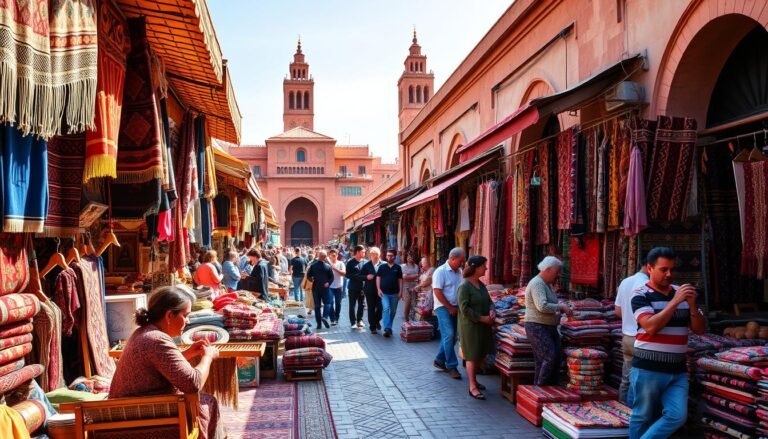
Wandering the medinas in Marrakesh, Fez, and Meknes costs nothing and honestly, that’s where the magic happens. Getting lost in those maze-like streets, stumbling into colorful souks, watching the chaos of Jemaa El-Fnaa square—that’s what you came for.
Other free stuff:
- The Oudaya Kasbah in Rabat
- Walking Chefchaouen’s blue streets (bring your camera)
- Checking out the Hassan II Mosque exterior in Casablanca
- Sunset views from Fez’s hillsides
If you do pay for stuff: Places like Bahia Palace or El Badi Palace cost like $3-7. Totally worth it for Morocco’s most famous spots.
You can view more official guidelines about dress and customs through the official Moroccan tourism website
Advanced Money-Saving & Practical Tips
Alright, these are the insider tricks that separate smart travelers from people who overpay for everything.
Mastering Morocco’s Barter Economy
Haggling isn’t rude—it’s literally part of the culture. In the souks, aim to pay about 50-60% of whatever they first tell you. Start low, stay friendly, and don’t be scared to walk away. They’ll usually call you back.
Avoiding Tourist Traps:
- Always negotiate taxi fares. Meters? They “don’t work” when tourists are around (wink wink)
- Skip restaurants right next to Jemaa El-Fnaa square—they charge double or triple
- Buy water and snacks from regular stores, not your hotel
- Get guides through your hotel, not random guys on the street
Currency, Cards, and Tipping Etiquette
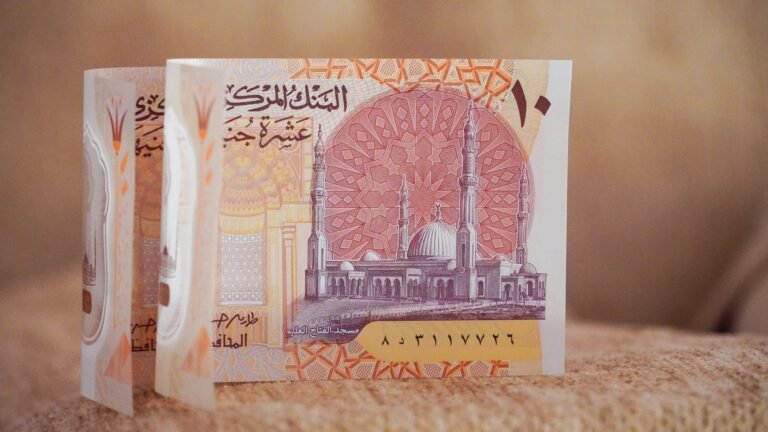
The money’s called Moroccan Dirham (MAD). Super easy math: 1 USD = about 10 MAD. So when something costs 50 dirhams, that’s roughly 5 bucks.
Cash vs. Card
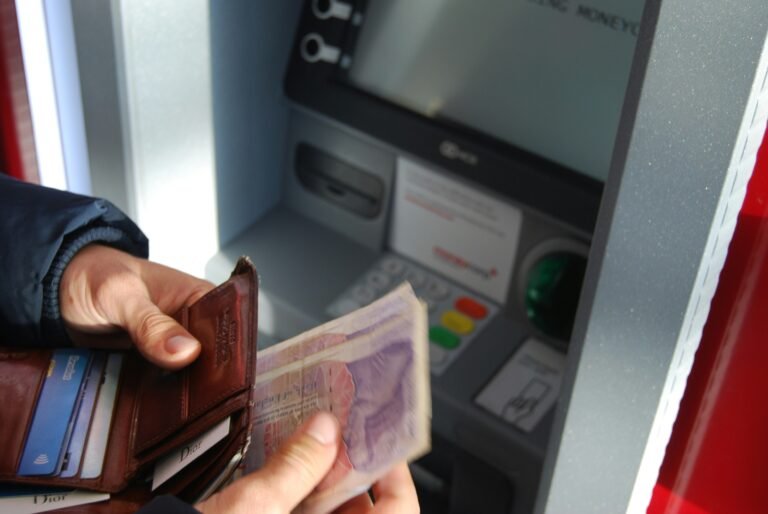
Morocco runs on cash, especially outside big cities. Hit up ATMs in town for the best rates—way better than the airport or your hotel. Carry small bills because vendors always seem to “not have change” for big notes (even when they totally do).
Mid-range and fancy places take cards, but budget spots want cash. Withdraw bigger amounts less often to avoid those annoying ATM fees ($3-5 each time).
Tipping
You should tip, but you don’t have to go crazy:
- Restaurants: 10-15% if the service was good
- Tour guides: $2-5 per person for half-day tours, double it for full-day
- Hotel staff: A buck or two for porters and room service
- Taxi drivers: Just round up to the nearest 5 or 10 dirhams
Pre-Trip Booking Strategies for Maximum Savings
Smart planning = more money for actual fun stuff.
Flights
Book 3-4 months out for the best deals. Skyscanner’s your friend. Lots of people fly into Casablanca or Marrakesh through European hubs—sometimes it’s cheaper than going direct.
If you’ve got travel points or miles (Iberia Avios, American Airlines, whatever), Morocco’s close enough to Europe that you won’t need a million miles.
Connectivity
Grab a SIM card when you land—they’re free at major airports. Maroc Telecom has the best coverage everywhere. A 20GB package costs about 10 bucks and lasts most people a week.
Or get an e-SIM like Airalo before you leave if you don’t want to deal with phone stores.
Timing Your Visit
Go in autumn or winter if you want cheaper everything. Summer prices double in beach towns, and Marrakesh gets crazy expensive during peak season (October-April). Spring and fall have nice weather and reasonable prices—best of both worlds.
Frequently Asked Questions
What’s the cheapest way to get around Morocco? Grand taxis (the shared ones) and public buses like CTM are your cheapest options. Grand taxis cost a bit more but leave when they’re full, so they’re faster than waiting for scheduled buses.
How much money do I need for 1 week in Morocco? Budget travelers: $250-400. Mid-range folks: $700-1,200. That’s everything except your international flight.
Is street food safe in Morocco? Yep, totally safe. Just look for busy places where locals are eating—that means fresh food and high turnover. Maybe skip pre-cut fruit that’s been sitting out forever.
Why should I rent a diesel car in Morocco? Because diesel’s way cheaper and you’ll get 25km per liter instead of 10-12km with gas. On a long trip, that’s huge savings.
How does Morocco compare to Egypt or Turkey price-wise? Pretty similar to Turkey and Jordan, maybe 10-15% more expensive than Egypt for food and hotels. But Morocco’s got better infrastructure and it’s easier to travel around on your own.
Final Thoughts: Morocco Delivers Outstanding Value
Look, Morocco’s just one of those places that works for any budget. You can sleep under the stars in the Sahara, get lost in thousand-year-old medinas, eat incredible food, and meet amazing people without selling a kidney.
The trick is knowing when to spend and when to save: splurge on things like a quality Sahara tour, save money by eating street food and taking buses, and remember that 90% of the best stuff is free anyway. With this cost breakdown, you’ve got everything you need to plan an amazing trip to morocco cost that fits your budget.
Ready to make this happen? Start digging into specific city guides for Marrakesh, Fez, and Essaouira to find those hidden gems and local secrets that’ll make your trip absolutely unforgettable.
Read more personal experiences in our travel blog