Morocco Road Trip:Why It’s The Best Way To Travel
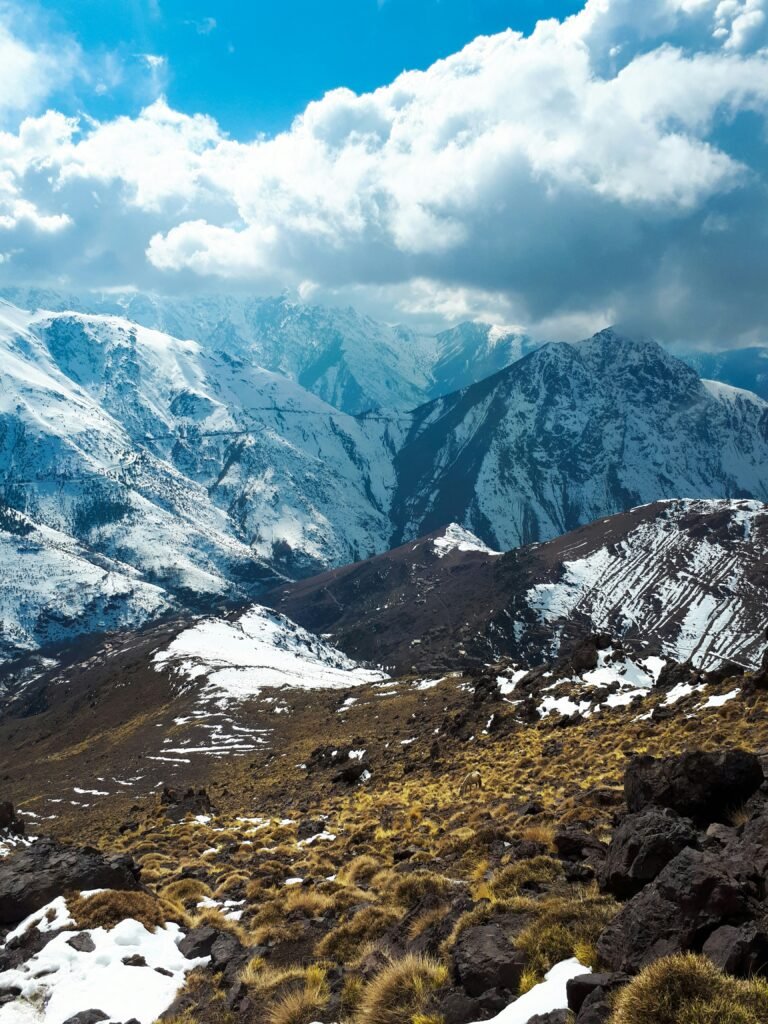
Did you know you can drive from snowy mountains to sprawling desert sands in under four hours on a Morocco Road Trip? This incredible geographical variety makes this North African nation a dream for explorers.
You are about to embark on one of the most diverse and captivating adventures imaginable. Exploring this country by car offers unparalleled freedom. You can discover bustling medinas, golden dunes, and coastal gems entirely at your own pace on your Morocco Road Trip.
This comprehensive guide walks you through planning your perfect journey. We cover everything from choosing the best routes to understanding local driving customs. You will also learn about hidden stops along the way.
The landscape shifts dramatically from Mediterranean coastlines to Alpine peaks. Ancient traditions meet modern life around every corner. This experience is about crafting an itinerary that balances must-see highlights with authentic cultural encounters for an unforgettable Morocco Road Trip.
Get ready to discover why this is considered a premier destination. It offers incredible value, stunning scenery, and warm hospitality at every turn.
Overview of Morocco: Culture, History, and Landscapes
From Mediterranean shores to Saharan expanses, this North African nation boasts incredible diversity within compact distances. You’ll find yourself moving through completely different worlds in just a few hours of driving.
The country’s unique position creates microclimates that shift dramatically. Coastal breezes give way to mountain air and desert heat during your journey.
Diverse Destinations and Hidden Oases
This land contains extraordinary contrasts waiting to be discovered. Bustling souks filled with spices stand near majestic golden dunes stretching across the Sahara.
Lush forests hide in mountain valleys while hidden oases appear in spectacular canyons. Each area offers its own unique charm and surprises.
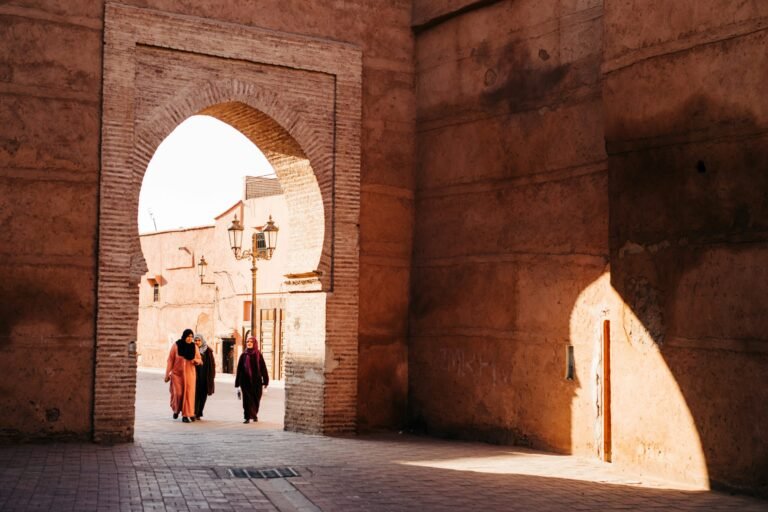
You’ll encounter imperial cities with centuries-old medinas and remote villages preserving ancient traditions. Cosmopolitan coastal towns attract visitors from around the world.
Local Traditions and Heritage
The cultural tapestry here blends Amazigh, Arab, and French influences beautifully. This creates a fascinating mix of ancient customs and contemporary life.
Architectural heritage shines through intricate tilework and carved cedar ceilings. Earthen kasbahs have stood for centuries in desert landscapes.
Hospitality forms a core part of daily life here. You’ll experience this through mint tea ceremonies and shared tagine meals with welcoming locals.
Understanding cultural context enhances your experience significantly. It helps you connect more authentically with the people and places you encounter.
Why a Road Trip Morocco Adventure is Ideal
The true beauty of exploring by automobile lies in the freedom to create your own unique adventure. You are the director of your experience, with the power to stop for a spontaneous photo or detour to a hidden village.
This journey gives you complete control over your time. You can spend hours in a captivating market or decide to skip a planned stop entirely. Your mood and the weather become your guides, not a fixed bus schedule.
Flexibility and Spontaneous Stops
Public transport can be unreliable. Schedules often change without notice, and vehicles are frequently crowded. Having your own car removes this stress.
You will discover incredible moments off the beaten path. These are places tours cannot reach. Think of a local selling fruit by the highway or a stunning canyon view with no one else around.
| Feature | Self-Driving | Public Transport |
|---|---|---|
| Schedule Control | Full flexibility, change plans anytime | Fixed timetables, potential delays |
| Spontaneous Discoveries | Easy to stop at unplanned interesting spots | Limited to designated routes and stops |
| Personal Space & Comfort | Your own private vehicle | Often crowded and less comfortable |
| Access to Remote Areas | Direct access to villages and scenic routes | Limited reach, requires additional taxis |
The well-maintained network of highways and rural roads makes driving a pleasure. You can cover a lot of ground efficiently while retaining the freedom to stop your car whenever you wish. This independence is the ultimate advantage for a personalized and stress-free vacation.
Planning Your Morocco Road Trip
Building an effective travel plan is the foundation for an unforgettable exploration experience. Your journey’s success depends on thoughtful scheduling that matches your available vacation days.
Crafting Your Itinerary
Creating the perfect travel schedule requires balancing your limited time with realistic distances. Many visitors find that ten days barely scratch the surface of this diverse destination.
You’ll need to make strategic choices about which regions to prioritize. Focus on imperial cities and desert landscapes or combine coastal towns with mountain routes.
Two weeks provides a more comfortable pace for your adventure. This extended timeframe allows for spontaneous detours and deeper exploration of captivating places.
Start by identifying your must-see destinations and experiences. Build your route around these priorities while considering seasonal weather conditions.
Keep daily driving to four or five hours maximum. This leaves ample time for sightseeing and unexpected discoveries along your course.
Research accommodation options in advance, especially for popular desert camps. Maintain flexibility to extend stays in areas you love.
Choosing the Right Rental Car and Driving Tips
Finding the right wheels for your exploration requires careful consideration of several key factors. Your vehicle choice impacts comfort, safety, and accessibility throughout your journey.
Selecting a Reliable Rental Agency
Choose a reputable rental company like Avis for peace of mind. Their professional service includes thorough vehicle inspections and transparent pricing.
Budget approximately $600-700 for a 10-day car rental with comprehensive insurance. This coverage is essential for unfamiliar driving conditions.
Always document your car‘s condition with photos before leaving the lot. Make sure the agent acknowledges any existing damage to avoid disputes later.
Essential Road Safety Guidelines
Consider a small SUV if your itinerary includes rural roads or desert areas. The higher clearance handles unpaved sections and occasional flooding better than compact cars.
Urban road speed limits range from 20-60 km/h. Add extra time for police checkpoints and unexpected delays during your driving.
For city parking, seek supervised areas with attendants. Never leave valuables visible in your parked car to prevent theft.
These precautions ensure a smooth experience on any road you encounter. Proper planning makes you a confident driver in all conditions.
Navigating Morocco: Public Transport and Taxi Options
When exploring without a rental vehicle, you’ll discover two distinct taxi systems operating throughout the country. Understanding these options helps you move between destinations efficiently.
Petit taxis serve within city limits and display different colors depending on location. These smaller vehicles provide short-distance transportation perfect for quick hops around urban areas.
Understanding Petit and Grand Taxis
Many drivers prefer negotiating fares rather than using meters. Always agree on pricing before your ride begins to avoid surprises.
Reasonable fares rarely exceed 100 MAD for most city journeys. Knowing this benchmark helps you negotiate fairly with local people.
Grand taxis connect different cities and villages across longer distances. Traditionally vintage Mercedes vehicles, newer models now offer more comfort.
These shared rides can be booked privately for a higher fee. This way gives you more space and flexibility during your travel.
| Service Type | Best For | Cost Range | Flexibility |
|---|---|---|---|
| Petit Taxi | Short city trips | 20-100 MAD | High within cities |
| Grand Taxi | Inter-city travel | 300+ MAD | Medium (shared rides) |
| ONCF Train | Major city connections | Varies by distance | Fixed schedules |
| CTM/Supratours Bus | Regional destinations | Affordable fares | Limited departure times |
Train travel provides a comfortable way to connect major destinations quickly. The high-speed rail network serves popular routes efficiently.
Bus companies fill gaps where trains don’t reach. While reliable, they offer less spontaneity than having your own vehicle.
Local people often use these services daily. Observing how they navigate the system can teach you a bit about efficient movement.
During peak times, allow extra time for transportation. Of course, having multiple options ensures you always find a workable solution.
Must-Visit Cities and Itinerary Highlights
Cultural treasures await in the historic cities that form the backbone of any memorable adventure. These urban centers offer perfect pacing for your journey.
From Tangier to Fes: Cultural Hubs
Starting in Tangier provides an excellent introduction. Arriving by ferry from Tarifa places you right in the city center. Spend your first day exploring the Medina’s vibrant markets and Kasbah Museum.
Chefchaouen deserves a full day of exploration. This blue-washed mountain town offers photogenic streets and artisan shops. The relaxed atmosphere makes it perfect for easing into your rhythm.
Fes represents one of the most authentic imperial cities. Plan to spend at least a full day here. Arrive early to visit the famous tanneries before crowds arrive.
| City | Recommended Stay | Key Highlights | Travel Time from Previous |
|---|---|---|---|
| Tangier | 1 night | Medina markets, Kasbah Museum | Starting point |
| Chefchaouen | 1 night | Blue streets, Kasbah gardens | 3 hours from Tangier |
| Fes | 2 nights | Tanneries, Al-Attarine Madrasa | 4 hours from Chefchaouen |
In Fes, visit Number 10 shop for stunning tanneries views. Don’t miss Al-Attarine Madrasa’s intricate architecture. Relax at Abdullah Café for the best mint tea.
Consider staying just outside Medina walls for easy parking. This approach saves a lot of time and hassle. Your itinerary benefits from this strategic planning.
Exploring the Sahara Desert: Your Ultimate Stop
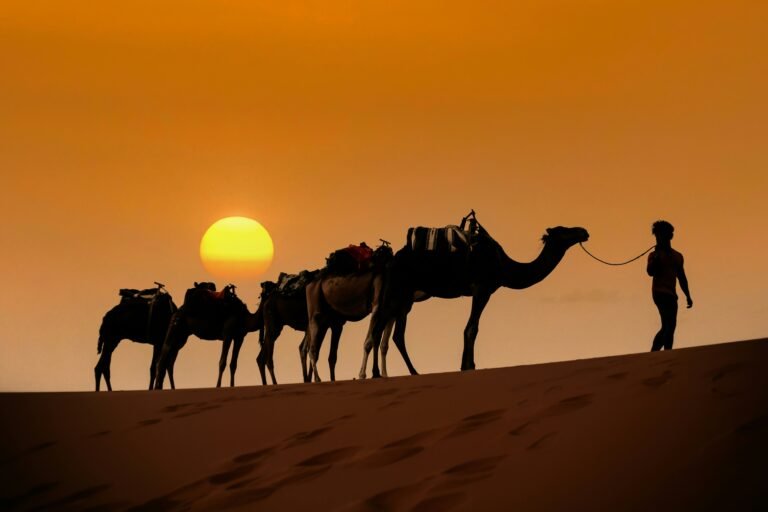
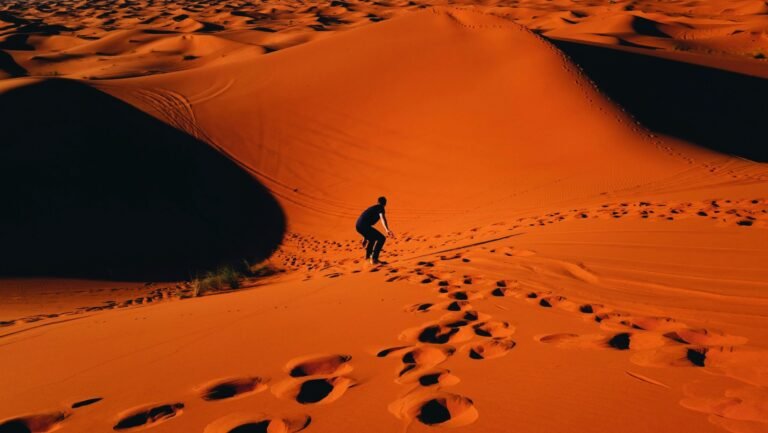
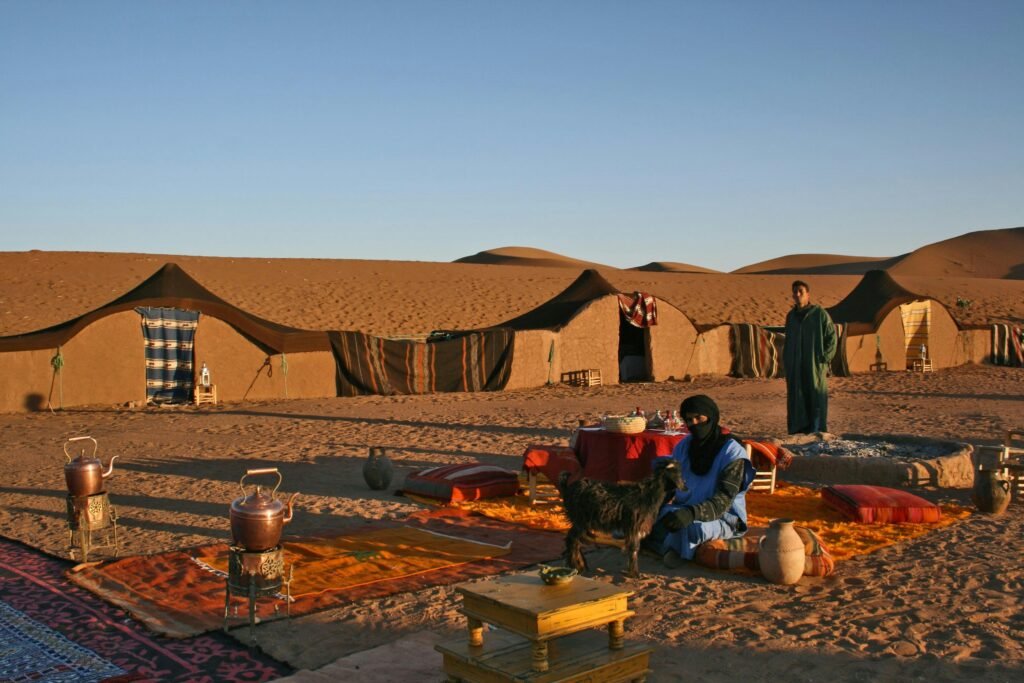
Your journey reaches its peak under the vast, star-filled skies of the Sahara Desert. This iconic landscape offers an unforgettable experience that defines adventure.
Choosing your route is the first major decision. You have two fantastic paths leading to different dune seas.
Erg Chebbi vs. Erg Chigaga
The northeast route to Erg Chebbi near Merzouga is highly accessible. Paved roads lead directly to luxurious camps like Sky View.
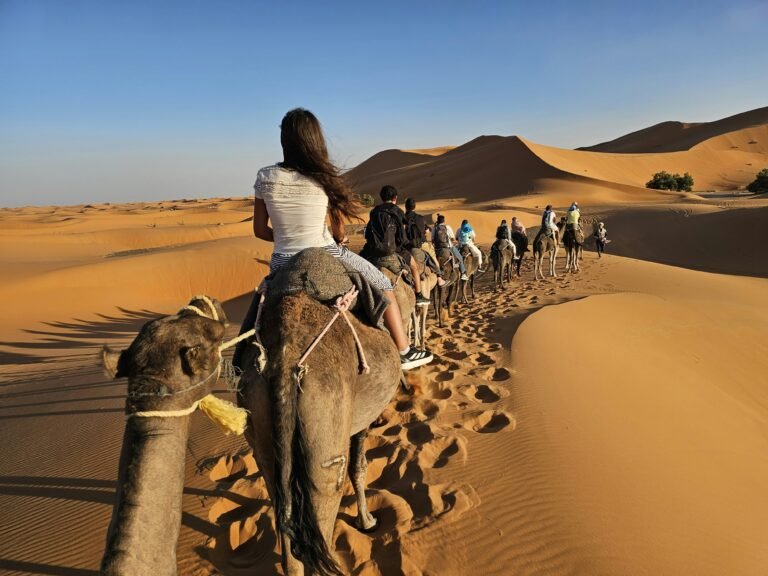
This area is perfect for a first desert visit. You can enjoy a comfortable night with modern amenities after a camel trek.
The southern path to Erg Chigaga is for true explorers. It requires a 4×4 vehicle for the final 60-kilometer drive from M’Hamid into the dunes.
This remote area feels wild and untouched. Camps like Mhamid El Ghizlane offer incredible bonfire music and authentic hospitality.
| Feature | Erg Chebbi (Merzouga) | Erg Chigaga (M’Hamid) |
|---|---|---|
| Accessibility | Paved roads all the way | Requires 4×4 from M’Hamid |
| Atmosphere | More developed, popular | Remote, fewer visitors |
| Accommodation Style | Luxury glamping available | Authentic ecolodges |
| Ideal For | First-timers, shorter trips | Adventurous travelers |
| Drive Time Example | ~4 hours from Midelt | Requires additional off-road time |
Plan for at least one night in the sahara desert to soak in the magic. Watching the sunrise over the dunes is a highlight.
Book your camp well in advance, especially during popular seasons. This ensures you get the best desert experience for your adventure.
Experiencing Authentic Moroccan Culture on the Road
One of the most rewarding aspects of your independent exploration is the direct access it provides to authentic cultural experiences. You can connect with local people and traditions in a way that organized tours rarely allow.
This journey is about more than just seeing places; it’s about understanding the heart of the country. You will discover a lot about daily life by engaging with communities along your path.
You can view more official guidelines about dress and customs through the official Moroccan tourism websit
Culinary Delights and Local Markets
Your taste buds are in for a treat. Moroccan cuisine is a highlight of any trip, featuring dishes like slow-cooked lemon tajine and sweet mint tea. These things are central to social life here.
For safe eating, stick to cooked vegetables and couscous. Always drink bottled water and be cautious with street juice. It’s smart to bring stomach medicine, as digestive issues can happen to visitors.
Make sure to stop at women-led cooperatives along the way. The Tawesna Association in Ait Benhaddou is an inspiring example. Amazigh women run an inclusive tea house, empowering over 50 women in their community.
You can also visit the Akhnif Lglaoui cooperative to see beautiful hand-spun carpets. Each rug represents one woman’s dedicated work. Further south, coops produce argan oil, rose water, and unique pottery.
| Cooperative Name | Location | Primary Products | Cultural Impact |
|---|---|---|---|
| Tawesna Association | Ait Benhaddou | Tea house, community space | Empowers 50+ local women |
| Akhnif Lglaoui | Regional | Hand-spun carpets & rugs | Preserves Amazigh weaving |
| Southern Route Coops | Drâa Valley area | Argan oil, saffron, pottery | Supports rural families |
Local markets are fantastic places to observe daily life. Vendors are often happy to share stories if you show genuine interest. This is a great way to learn directly from local people.
Don’t overlook simple coffee stalls by the road. These spots offer a real glimpse into local culture. You’ll find good coffee and see where people gather during their day.
Supporting these initiatives makes your journey more meaningful. You contribute directly to families and help preserve amazing crafts. It adds a rich layer to your adventure along the way.
Tips for Budget-Friendly and Time-Efficient Travel
Strategic planning for both your wallet and your watch ensures you get the most from every moment. This approach lets you enjoy a comfortable journey without financial stress.
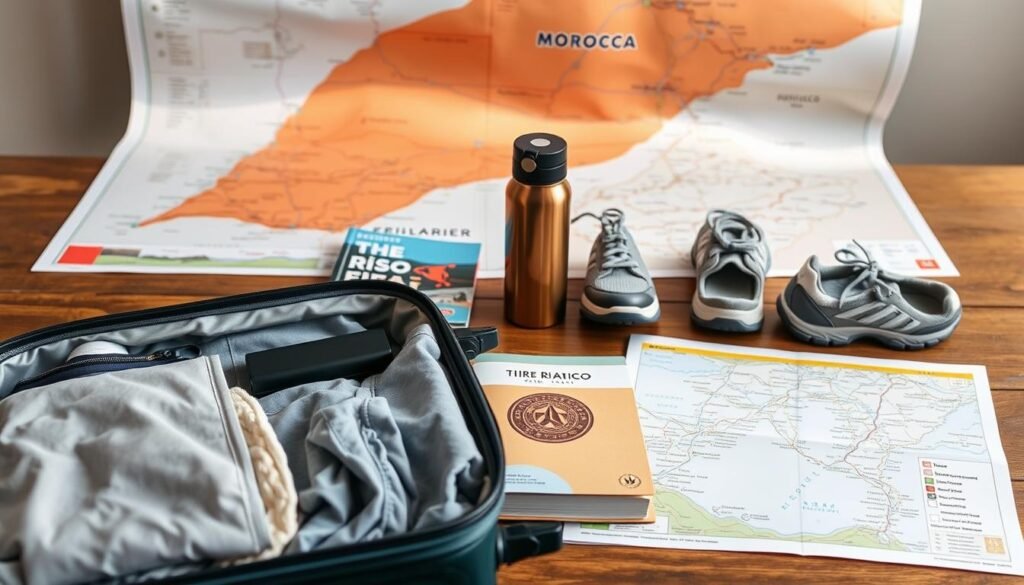
You’ll find exceptional value here compared to European destinations. Accommodation, meals, and activities cost significantly less. This means your money goes quite a bit further.
Managing Costs and Time
Limit daily driving to four or five hours maximum. This allows for sightseeing and spontaneous stops without exhaustion. Remember that routes often take longer than GPS estimates.
Cash remains essential with about 75% of places accepting only local currency. Withdraw adequate funds from ATMs in larger cities before rural areas. Always carry small bills for tipping and public facilities.
Fuel management requires careful planning. Half of stations only accept cash, and all have attendants. Never let your tank drop below half full, especially before remote stretches.
I highly recommend booking popular desert camps in advance. This saves a lot of time scrambling for last-minute options. Your overall trip becomes much smoother.
With smart planning, you can have an amazing day-to-day experience. The total cost for a comfortable ten-day trip remains reasonable. You’ll maximize both your time and enjoyment.
Staying Connected: Mobile SIM and Navigation Apps
In today’s digital age, staying connected while on the move is no longer a luxury but a necessity for safe travel. Reliable connectivity helps you navigate, book accommodations, and share your adventures. Not all phone operators offer equal 4G coverage, especially in remote areas.
Purchase a local SIM card immediately at the airport. You’ll find three main carriers: Orange, Inwi, and Telecom. Based on extensive feedback, Inwi provides the best coverage in desert and mountain regions where you need it most.
A 20GB data package with unlimited calling costs about 200 MAD ($20). This should be more than enough for ten days. Use accommodation Wi-Fi whenever possible to save data for your journey.
Download offline maps before leaving cities. Use two navigation apps since each works well in different scenarios. Apple Maps excels on highways while Google Maps guides you better through narrow medina streets.
Reliable data offers safety benefits beyond convenience. You can call accommodations if lost or verify directions from roadside helpers. Download useful apps like offline translators and currency converters before your trip.
Make sure to test your connection a bit along the road. This simple preparation ensures smooth navigation throughout your adventure.
Scam Awareness and Personal Safety on Moroccan Roads
While the vast majority of your interactions will be wonderfully positive, a little preparation goes a long way. Understanding common situations helps you stay confident and in control throughout your journey.
In popular cities, you might meet self-appointed guides. They may claim a road is closed or offer unwanted help. A polite but firm “no, thank you” is your best response.
Avoiding Tourist Traps and Scams
Fake guides sometimes wear official-looking badges at historic sites. Remember that legitimate guides don’t solicit visitors. They wear proper credentials from the Ministry of Tourism.
When driving, keep doors locked in towns. This prevents opportunistic attempts to open them at a stop. It sounds alarming but is easily prevented.
| Situation | What Typically Happens | Recommended Action |
|---|---|---|
| Unsolicited Guide | Approaches claiming you need help or a road is blocked | Politely decline and continue walking/driving |
| Fake Official at Site | Offers a “tour” then demands high payment | Verify credentials; authorized guides don’t solicit |
| Vehicle Approach | Someone tries to open door at traffic light | Keep doors locked; drive away if needed |
| Solo Travel Attention | Increased comments or conversation attempts | Dress modestly; walk confidently; ignore unwanted attention |
Emergency Preparedness
At no point should you feel unsafe. Most people are genuinely hospitable. Trust your instincts—if something feels off, it probably is.
In the rare case you need assistance, local police are professional. The driver should always follow speed limits to avoid legitimate stops. These simple things make sure your trip remains enjoyable on all roads.
The Best Time for Your Morocco Journey
Timing your visit perfectly can transform a good journey into an absolutely spectacular one. The country’s diverse climate means you can technically visit any time of year. However, some seasons offer much more comfortable conditions for exploration.
Spring (March-May) and fall (September-November) provide the ideal balance. Temperatures remain moderate across all regions during these periods. You’ll avoid the extreme heat of summer and cold of winter.
Summer brings intense heat, particularly inland. Cities like Fes can reach 45°C (113°F), which is quite challenging for sightseeing. Coastal areas remain more pleasant with cooling Atlantic breezes.
Winter offers pleasant daytime temperatures but surprisingly cold nights. The Sahara and High Atlas Mountains can drop near freezing after dark. Packing warm layers becomes essential for evening comfort.
Spring presents an extra advantage with landscapes at their greenest. Wildflowers bloom in the mountains, creating stunning scenery. Fall combines comfortable weather with fewer tourists compared to spring.
Plan your wardrobe according to both season and cultural expectations. Lightweight, breathable fabrics work best for summer heat. Conservative dress shows respect and reduces unwanted attention throughout your trip.
Preparing for a 10-Day Adventure
Your adventure begins long before you hit the pavement with smart preparation strategies. A well-planned ten-day journey requires balancing ambitious sightseeing with realistic travel times.
Resist the temptation to overpack your schedule. Rushing from place to place leaves you exhausted. Build flexibility into your itinerary by avoiding rigid, minute-by-minute plans.
Itinerary Flexibility and Accommodation Options
Some destinations will captivate you and warrant extra time. Others might underwhelm. Having buffer days allows adjustment based on weather or discoveries.
When selecting accommodation, prioritize locations with easy parking access. In cities like Tangier and Fes, hotels just outside medina walls offer convenient parking. You can walk into the old town within minutes.
Book your most important stays in advance, particularly desert camps. However, leave some nights flexible to extend stays in places you love. This approach ensures your trip remains adaptable throughout all ten days.
Consider traditional Amazigh guesthouses for mountain hiking experiences. These family-owned accommodations provide authentic hospitality and home-cooked meals. They add cultural depth that standard hotels cannot match.
Essential Driving Versus Public Transit Considerations
The debate between self-driving and relying on public transport comes down to control versus convenience. Each option offers distinct advantages that suit different travel styles and priorities.
Weighing the Pros and Cons
Having your own vehicle provides unmatched flexibility. You can change plans instantly without worrying about schedules. This independence transforms your entire journey.
Public buses and shared taxis face reliability challenges. Last-minute cancellations and overcrowding are common issues. Safety standards sometimes raise concerns for cautious travelers.
| Feature | Self-Driving | Public Transport |
|---|---|---|
| Schedule Control | Complete freedom to adjust timing | Fixed schedules with potential delays |
| Comfort Level | Private space with personal belongings | Often crowded with limited personal space |
| Safety Standards | You control driving speed and style | Dependent on driver’s habits and skills |
| Spontaneous Stops | Easy pull-over for photos or discoveries | Limited to designated stops only |
| Remote Access | Reach off-the-beaten-path locations | Main routes only, requires additional transport |
Roadside Stops and Scenic Views
The freedom to pull over whenever you wish unlocks hidden treasures. You’ll discover local coffee vendors with excellent brews. Panoramic viewpoints offer breathtaking photo opportunities.
Well-maintained highways connect major destinations efficiently. Scenic backroads reveal stunning landscapes at every turn. These routes are best enjoyed at your own pace.
Self-driving ensures you never miss a perfect photo spot. It also provides crucial control during unexpected situations. Your adventure becomes truly personalized with this approach.
Conclusion
Your journey through this remarkable land will leave you with memories that last a lifetime. The incredible diversity—from bustling souks to silent desert dunes—creates an adventure unlike any other.
This guide provides a solid framework for your exploration. It offers a helpful list of tips to travel confidently and connect meaningfully with local culture.
The key to a successful experience is balancing preparation with spontaneity. Book your main stops, but leave room for unexpected discoveries along the way.
We highly recommend embracing the beautiful chaos. Trust your instincts, and you will uncover the true magic of this captivating destination.