Berber Culture Morocco :Why You’ll Love The Crafts
Did you know the Berbers, native to North Africa, have a long and rich heritage? Their traditional crafts, like jewelry, pottery, weaving, and henna art, are very valuable. These crafts have been passed down for many generations.
Exploring Berber Culture Morocco reveals a mix of traditions and customs shaped by their nomadic way of life. Their textiles and carpets are full of vibrant colors and symbolic patterns. Each piece of craftsmanship has its own story.
Learning about Berber Culture Morocco helps us understand their values and practices. This community has been fascinating for centuries.
Berber Culture Morocco : Understanding the Berber Identity
Have you ever wondered about the Berbers, also known as Amazigh people? They’ve kept their unique identity through many cultural influences. The word “Amazigh” means “free people” in Tamazight, showing their pride and independence.
The Berbers live in North Africa, mainly in Morocco, Algeria, Tunisia, Libya, and parts of Mali and Niger. Their history is filled with influences from the Romans, Arabs, and Europeans.
Origin and History of the Berbers
The Berbers’ origins are not fully known, but they’ve lived in North Africa for thousands of years. They practiced religions like Christianity, Judaism, and Animism before Islam came with the Arab conquest.
The Berbers have faced many challenges, from independence to foreign rule. Yet, they’ve kept their culture alive through resilience and adaptability.
Key Characteristics of Berber Culture
Berber culture is rich in traditions like music, dance, and crafts. They’re known for their beautiful textiles, jewelry, and pottery, all showing their heritage.
Family and community are at the heart of Berber culture. Elders and tradition are highly respected, making family the core of society.
Key Aspects of Berber Culture:
| Cultural Aspect | Description |
|---|---|
| Language | Tamazight and various Berber dialects |
| Traditional Clothing | Colorful textiles and distinctive patterns |
| Cuisine | Hearty dishes made with local ingredients like couscous, olives, and dates |
| Music and Dance | Vibrant performances during celebrations and ceremonies |
To understand the Berbers, you must explore their history, culture, and values. As you learn more, you’ll see a vibrant culture thriving in North Africa.
The Geography of Berber Life
Geography is key in shaping Berber life, from the Atlas Mountains to the Sahara Desert. The varied landscapes of North Africa deeply affect their lifestyle and traditions.
Major Regions of Berber Population
The Berber people live in several North African countries. Most are in Morocco and Algeria. They also live in Tunisia, Libya, Mauritania, Mali, and Niger. Each area has its own geography that shapes the local Berber communities.
In Morocco, Berbers live in the Atlas Mountains. Their culture is shaped by the mountainous terrain. This has influenced their farming, homes, and social structures.
How Geography Influences Lifestyle
The geography of Berber regions greatly affects their lifestyle. Nomadic tribes in the Sahara Desert move constantly. They search for water and grazing land for their animals.
On the other hand, Berbers in mountainous areas like the Atlas Mountains live more settled lives. They focus on farming. The terrain determines their crops, homes, and community life.
Exploring Berber lifestyle shows that geography is more than a setting. It defines their culture and daily life. Whether it’s the Sahara Desert or the Atlas Mountains, the land shapes their identity and traditions.
Traditional Berber Language and Dialects
Understanding the Berber language is key to grasping Berber heritage and North Africa’s rich culture. The Berber language, or Tamazight, is central to Berber life. It’s not just for talking but also a sign of who they are and their cultural history.
Languages Spoken Among Berbers
Tamazight is spoken in many places, like Morocco, Algeria, Tunisia, Libya, and parts of Mali and Niger. It has different dialects, each with its own flavor. There’s a push to make Tamazight one language, to unite Berbers through their tongue.
In Morocco, Tamazight is now an official language, alongside Arabic. This is a big win for keeping Moroccan traditions alive. It’s helped in making school materials, media, and government services in Tamazight. This boosts its importance and encourages its use in official settings.
Preservation Efforts and Challenges
But, keeping Tamazight and other Berber dialects alive is tough. The rise of Arabic, French, and English is making Tamazight less common, mainly among the young. To fight this, local groups are working hard. They focus on documenting the language, teaching it, and celebrating North African customs and Berber culture.
One big hurdle is keeping traditional languages alive while also moving forward. Berber communities are finding ways to do this, with technology playing a big part. Tools like language apps and digital media are helping keep Tamazight vibrant.
Craftsmanship and Artistry in Berber Culture
Exploring Berber culture reveals a world where making things is a big part of life. The Berbers are skilled at creating beautiful, useful items. These items show their Indigenous Moroccan culture and traditions.
Berber art is seen in textiles, jewelry, and pottery. Each piece has its own story and meaning. These crafts are not just pretty. They also help us understand the Berber lifestyle and traditions.
Unique Textile Styles and Patterns
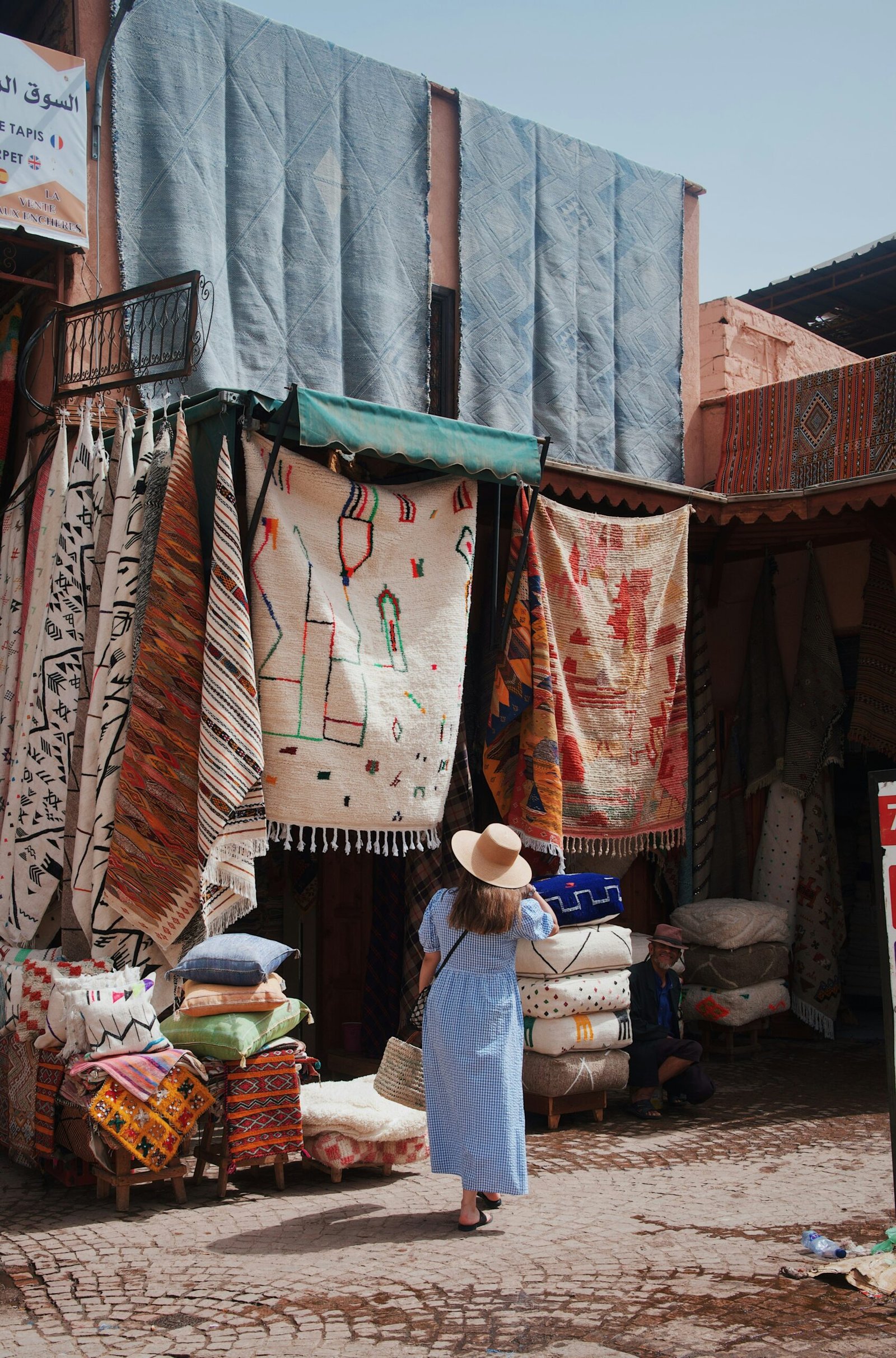
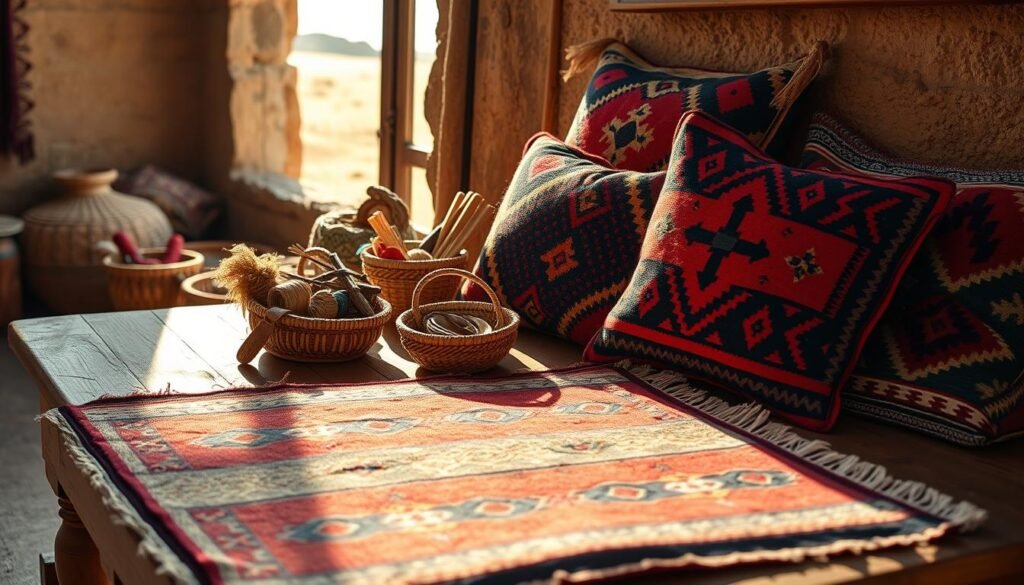
Berber textiles stand out for their bright colors and detailed patterns. These patterns often have special meanings. Women in the family make these textiles, keeping Moroccan traditions alive.
Weaving is more than a skill; it’s a way to share Berber history and myths. Each design and color tells a story about Berber life, like fertility and prosperity.
Traditional Jewelry and Its Significance
Berber jewelry is made from silver and precious stones. It’s not just for looks; it’s also spiritual and cultural. It’s believed to protect and bring blessings.
The designs in Berber jewelry come from their deep cultural roots. They show the Berbers’ connection to the land and their ancestors. The skill in making this jewelry is highly respected, with techniques passed down through generations.
The Role of Pottery in Daily Life
Pottery is key in Berber culture, used for everyday tasks and special events. Berber craftsmen make pots by hand, showing their artistry and skill.
In daily life, Berber pottery is for cooking and storing food. In ceremonies, it’s used in rituals and celebrations. The making of Berber pottery shows their creativity and resourcefulness, making it a big part of their identity.
The Berber Diet: Cuisine and Customs
Exploring the Berber culture reveals a fascinating diet. It’s a mix of Mediterranean and African tastes. This blend comes from their nomadic life and varied landscapes.
Staple Ingredients in Berber Cooking
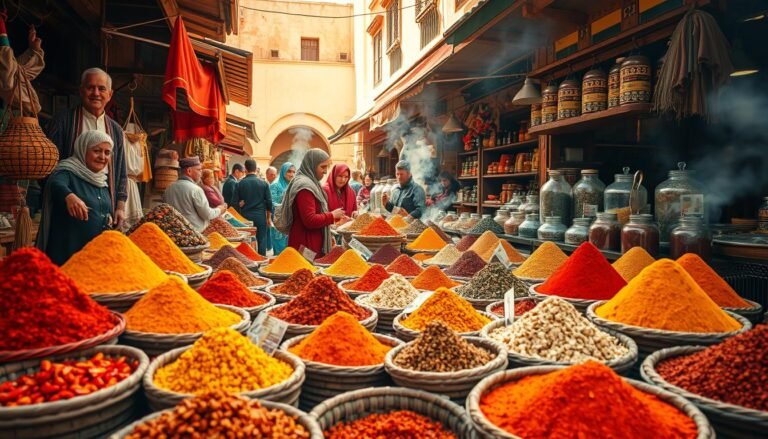
Berber cooking focuses on local ingredients. They use olives, olive oil, and vegetables like tomatoes and peppers. Grains like barley and wheat are also key, used for bread or couscous.
Popular Traditional Dishes
Popular dishes include couscous and tagine. Couscous is made from semolina flour, served with veggies and meat. Tagine is a slow-cooked stew, named after its clay pot. These dishes are tasty and hold cultural value, served at special times.
| Dish | Main Ingredients | Occasion |
|---|---|---|
| Couscous | Semolina flour, vegetables, meat | Special occasions |
| Tagine | Meat, vegetables, dried fruits | Family gatherings |
| Harsha | Wheat flour, water, salt | Daily meals |
Dining Etiquette Among Berbers
Dining etiquette shows Berber hospitality and respect. They eat with their right hand, using bread to pick up food. The eldest is served first, and guests wait for the host’s signal to eat.
In summary, the Berber diet reflects their culture and geography. Understanding their food, dishes, and dining manners shows the value of food in Berber life and celebrations.
Family Structure and Relationships
The Berber society is built on strong family ties and relationships. Family is more than just a unit; it’s the base of their identity and daily life. You’re about to see how family shapes every part of Berber life, from social structure to cultural practices.
The Importance of Family in Berber Society
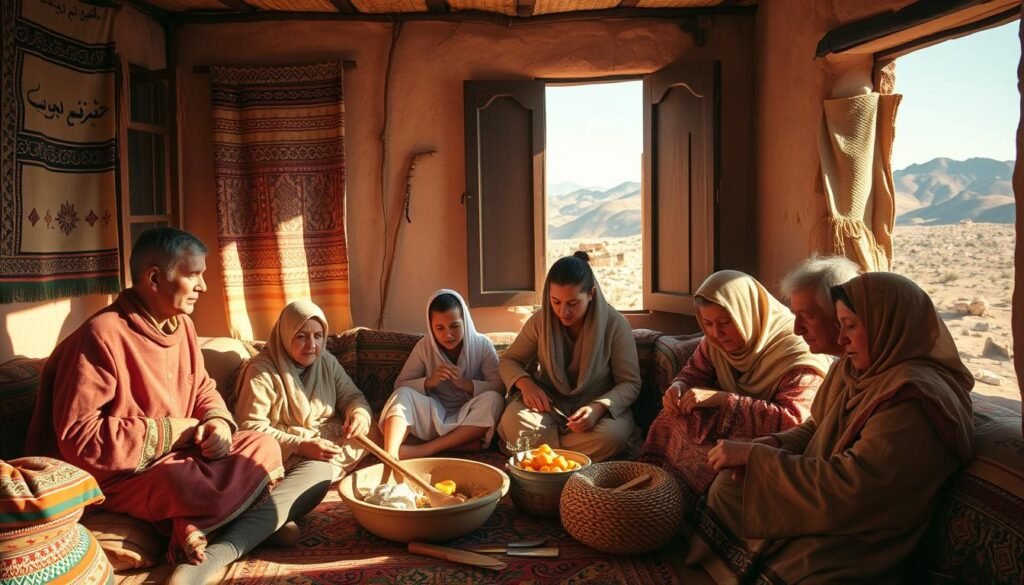
Family is key in Berber society, with families often being extended. This close-knit structure comes from Moroccan traditions that value respect for elders and community. Families offer emotional, financial, and social support, creating a vital safety net in tough environments.
In Berber culture, families pass down indigenous Moroccan culture and traditions. This includes storytelling, crafts, and cultural practices unique to their heritage.
Gender Roles and Responsibilities
In Berber families, traditional gender roles exist. Men are usually the providers, working outside to support their families. Women manage the home, care for children, and often earn income through crafts or domestic work.
Despite these roles, Berber women have a big impact in the family and community. They protect Berber heritage, keeping cultural practices alive for their children. This balance shows how both men and women are essential in Berber family life.
Learning about these dynamics helps us understand the strength and richness of Berber culture. Family is not just a structure; it’s a vibrant, living part of their identity and way of life.
Berber Festivals and Celebrations
You can feel the warmth of Berber culture at their lively festivals and celebrations. These events show the community’s rich heritage. They also show how the community comes together in joy and celebration.
Overview of Major Berber Festivals
Berber festivals are big cultural events that unite the community. The Festival of Fantasia is a highlight, showing off traditional horse riding skills. It’s a celebration of cultural pride. Other festivals include weddings and harvest celebrations, filled with traditional music, dance, and feasting.
These festivals are more than fun; they help keep the Berber culture alive. They let the community pass down traditions to the young. The vibrant atmosphere of these celebrations shows the community’s joy and strength.
| Festival | Description | Significance |
|---|---|---|
| Festival of Fantasia | Traditional horse riding display | Cultural pride and heritage |
| Berber Weddings | Celebration of union with traditional music and dance | Family and community bonding |
| Harvest Festivals | Celebration of agricultural abundance | Gratitude and community solidarity |
Cultural Significance of Celebrations
Berber festivals are important because they bring the community together. They help keep the cultural identity strong. These celebrations are a chance to show off traditional arts like music, dance, and handicrafts.
By joining in or experiencing these festivals, you learn about Berber values and traditions. The focus on community, tradition, and cultural expression makes Berber festivals a special Morocco cultural experience.
You can view more official guidelines about dress and customs through the official Moroccan tourism website
The Role of Nomadism in Berber Life
The Berbers live in harmony with the desert, a lifestyle that has lasted for centuries. Nomadism is more than a way of life for them; it’s a core part of their identity. It’s shaped by their history in North Africa’s vast lands.
Nomadism has helped the Berbers survive in some of the toughest places on Earth. Their ability to adapt to the desert shows their strength and cleverness.
Adaptations to a Nomadic Lifestyle
The Berbers have made unique changes to their nomadic way of life. They wear special clothes and know the desert well. These skills have been passed down for generations.
- Portable shelters that can be easily assembled and disassembled
- Specialized clothing that protects against the extreme temperatures
- A deep understanding of the desert environment, including the location of water sources and grazing lands
Challenges Faced by Modern Nomads
Modern Berber nomads face many challenges. These include climate change, losing their culture, and the arrival of modern buildings on their land.
| Challenge | Impact on Berber Nomads |
|---|---|
| Climate Change | Alters grazing patterns and water availability, threatening their livelihood |
| Cultural Assimilation | Leads to a loss of traditional practices and cultural identity |
| Modern Infrastructure | Results in the loss of traditional lands and resources |
It’s important to understand these challenges to see the Berber nomads’ strength. We must also work to keep their Indigenous Moroccan culture and Berber heritage alive.
Spiritual Beliefs and Practices
Exploring the Berber culture reveals a rich spiritual world. It honors the land and the people who came before. Their spiritual connection is deep, shaping their daily lives and practices.
Overview of Berber Spirituality
Berber spirituality sees nature as full of spiritual essence. This view leads to a deep respect for the land, animals, and natural events. Their spiritual practices mix ancient traditions with influences from various religions.
Berber life is woven with rituals and ceremonies. These celebrate nature’s cycles, like the seasons and harvest. They show the Berbers’ dependence on the land and their belief in living in harmony with nature.
Importance of Ancestors and Nature
Ancestors are key in Berber spirituality, linking the physical and spiritual worlds. The Berbers believe their ancestors guide and protect them. This is shown in rituals and offerings to honor them.
The table below highlights some key aspects of Berber spirituality and their significance:
| Aspect | Significance | Practice |
|---|---|---|
| Nature | Belief in the spiritual essence of all natural elements | Rituals to honor natural cycles |
| Ancestors | Guidance and protection | Offerings and rituals to honor ancestors |
| Land | Source of livelihood and spiritual identity | Ceremonies to ensure fertility and prosperity |
Understanding Berber spiritual beliefs and practices offers a glimpse into their culture. It shows a deep connection with nature and their ancestral heritage. This spiritual identity is central to Berber culture in Morocco, showing a traditional yet resilient way of life.
Modern Influences on Berber Culture
Globalization is changing the Berber culture in big ways. The Berber community is seeing a big change as new influences mix with old traditions.
Globalization’s Far-Reaching Impact
Globalization has brought many changes to Berber culture. These changes include new technologies and outside cultural practices. While some changes are good, others make it hard to keep traditional Berber customs alive, like those in Morocco cultural experiences.
| Aspect of Berber Culture | Traditional Practice | Modern Influence |
|---|---|---|
| Language | Berber languages and dialects | Adoption of Arabic and French |
| Craftsmanship | Traditional textile styles and jewelry | Incorporation of modern materials and designs |
| Cuisine | Traditional dishes and ingredients | Influence of international cuisine and ingredients |
Globalization affects Berber heritage in many ways. It brings new chances for cultural exchange and economic growth. But, it also risks the traditional ways of life and unique cultural practices of the Berber community.
The Younger Generation’s Role
The younger generation is key in shaping Berber culture’s future. They mix old traditions with new influences, keeping their heritage alive. This balance is important for keeping North African customs alive while enjoying modern benefits.
The younger generation leads in this cultural change. Their ability to adapt and innovate while staying true to their roots will shape Berber culture’s future.
Conclusion: Appreciating Berber Heritage
Exploring Berber culture in Morocco takes you into a world of deep traditions and customs. These have been kept alive for centuries. The Berber people’s culture shows their strength and ability to adapt.
Cultural Diversity and Exchange
At the core of Berber identity is embracing diversity. Their culture is a mix of different influences. This comes from their history, geography, and interactions with others.
Looking into the Berber lifestyle shows a strong bond with nature, ancestors, and community.
Preserving Tradition in a Modern World
The future of Berber identity is about finding a balance. They need to keep their traditional ways while also accepting new things. As the world gets more connected, it’s key to support cultures like the Berbers.
By valuing Berber culture, you help make the world more diverse. As you learn more about Berber culture, you’ll see why keeping heritage alive is vital in today’s fast-changing world.