Mount Toubkal:Is the 3-Day Ascent Right for You?
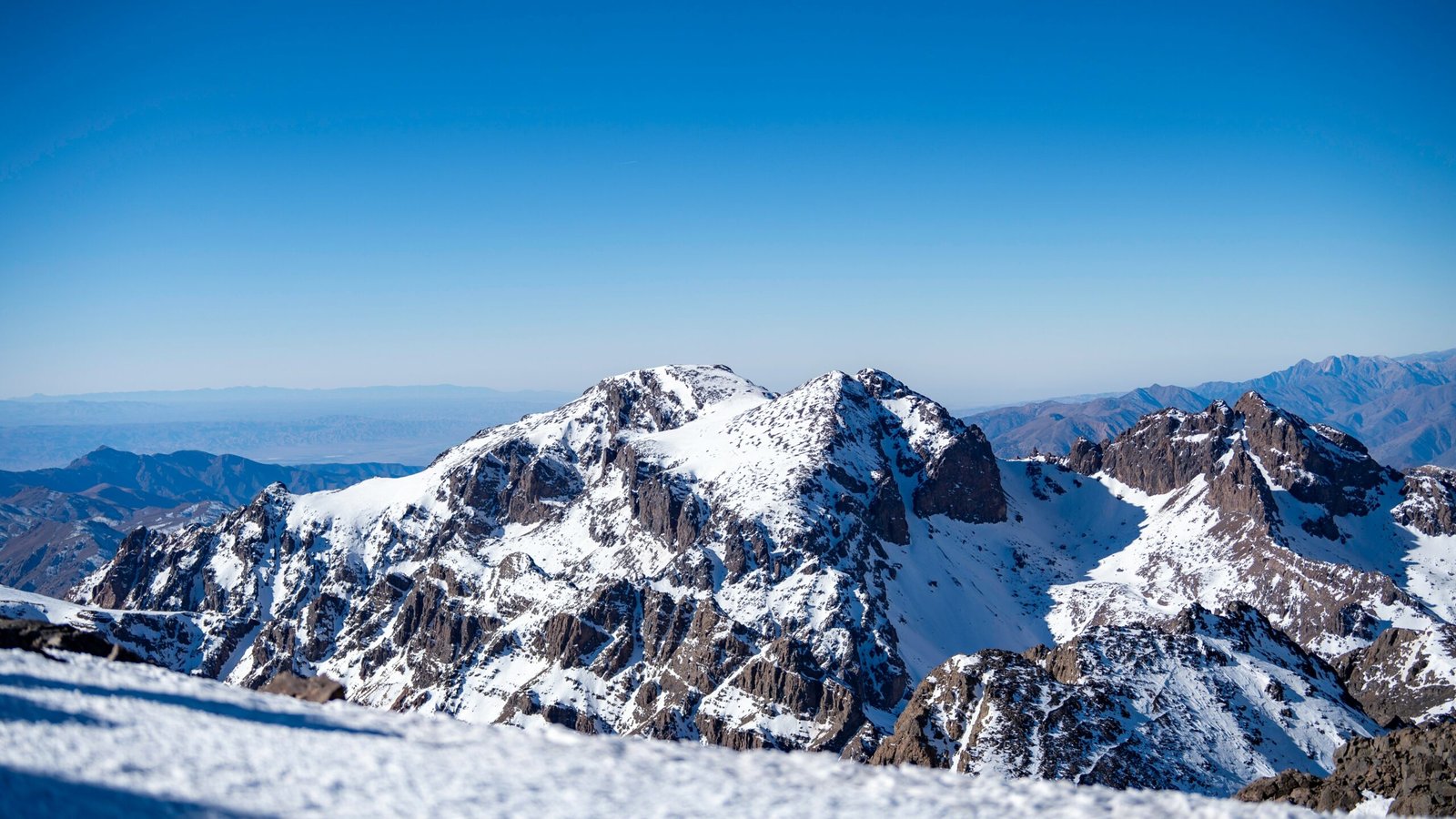
Mount Toubkal stands at 4,167 meters above sea level. It’s the highest peak in Morocco and the Atlas Mountains. It’s also the highest in North Africa. Known as Jebel Toubkal, it’s a favorite among adventure seekers and climbers.
For those aiming to reach the North Africa summit, Mount Toubkal is a great challenge. It’s the highest point in the Arab World. It draws trekkers and climbers from all over.
Whether you’re an experienced mountaineer or a passionate hiker, the Jebel Toubkal climb is unforgettable. You’ll see stunning views and have an amazing journey.
Before you start this adventure, our guide will cover everything. We’ll talk about preparation and reaching the summit.
Introduction to Mount Toubkal
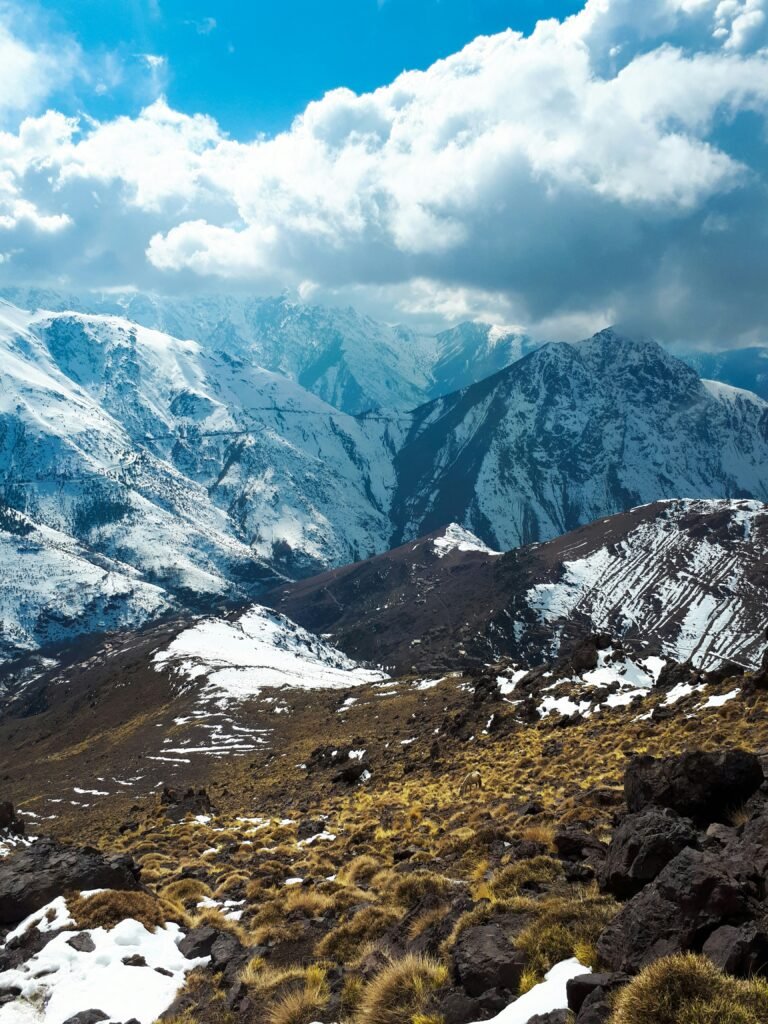
Planning your next adventure? Think about Mt. Toubkal, the highest peak in North Africa. It stands at 4,167 meters. This mountain is not just a landmark but a challenging climb for adventurers worldwide. Located in the Atlas Mountains, it offers breathtaking views and a unique cultural experience.
Overview of Its Significance
Mt. Toubkal is more than a mountain; it’s a symbol of Morocco’s rich culture and natural beauty. It’s surrounded by traditional Berber villages and lush valleys. This makes the trekking experience even more special. Climbing to the summit is a moderate to challenging hike, perfect for those with some trekking experience.
The mountain’s significance goes beyond its beauty. It connects us to the local culture and history. Trekkers get to see the traditional way of life in the Atlas Mountains. They can also enjoy the hospitality of local guides and the warmth of Berber communities.
Quick Facts About the Peak
- Height: 4,167 meters (13,671 feet)
- Location: Atlas Mountains, Morocco
- Trekking Duration: Typically 2-3 days
- Difficulty Level: Moderate to challenging
- Best Time to Visit: Spring (March to May) and Autumn (September to November)
These quick facts show why Mt. Toubkal is a top choice for atlas mountains hiking fans and those seeking morocco mountain adventures. Whether you’re an experienced trekker or looking for a new challenge, Mt. Toubkal has something for everyone.
Preparing for Your Climb
To climb Mt. Toubkal safely and enjoyably, preparation is essential. This includes gear and physical fitness. Mt. Toubkal, the highest peak in North Africa, requires respect and thorough preparation.
Recommended Gear and Supplies
Having the right gear is key for a successful climb. You’ll need:
- Sturdy hiking boots with good grip
- Comfortable, layered clothing for varying temperatures
- A backpack with rain cover
- Navigation tools such as a compass and GPS device
- First aid kit
- Headlamp or flashlight
- Water and hydration supplies
- High-energy snacks
Consider renting or buying gear in Imlil, the common base for climbers, if you don’t have it.
Physical Fitness Preparation
Climbing Mt. Toubkal is physically demanding. You should be in good physical condition. This includes cardiovascular endurance and muscular strength, mainly in your legs. Start training at least 2-3 months in advance with:
- Cardio exercises such as running, cycling, or swimming
- Strength training focusing on legs and core
- Practice hikes with a loaded backpack
A good level of fitness will enhance your experience and reduce the risk of altitude sickness.
| Training Activity | Benefits | Frequency |
|---|---|---|
| Cardio Exercises | Improves cardiovascular endurance | 3 times a week |
| Strength Training | Builds muscular strength | 2 times a week |
| Practice Hikes | Simulates climb conditions | Once a week |
Best Time to Visit
The best time to climb Mt. Toubkal is from September to November or March to May. These periods offer mild temperatures and fewer crowds, making for a more enjoyable climb. Avoid climbing during the peak winter months due to snow and avalanches, or during the hot summer months when the trails can be very crowded.
Joining a Toubkal guided tour can be beneficial, even if you’re new to high-altitude climbing. Experienced locals can guide you.
Getting There: Travel Options
Your journey to North Africa’s highest peak starts in Morocco. Then, you’ll head to Imlil for a scenic trip. Morocco is known for its rich culture and varied landscapes, making it exciting before you climb.
Arriving in Morocco
First, you need to get to Morocco. Most people fly into Marrakech Menara Airport (RAK). It connects to many cities worldwide. From Marrakech, you can take a bus, taxi, or private transfer to Imlil.
Transportation to Imlil
Imlil is a small village in the Atlas Mountains. It’s where most Mt. Toubkal climbs start. The drive from Marrakech to Imlil takes about 2 hours by car or taxi. You can also use public buses or shuttle services.
| Transportation Mode | Duration | Cost |
|---|---|---|
| Private Taxi | 2 hours | $60-$80 |
| Public Bus | 2.5 hours | $5-$10 |
| Shuttle Service | 2 hours | $15-$25 |
Local Guides and Tours
After arriving in Imlil, consider hiring a local guide. They know the terrain, weather, and local customs well. Guides help with navigation and share insights into the region’s culture and history.
Choose a guide or tour operator with a good reputation. Look for certifications from the Moroccan Ministry of Tourism. This ensures quality service and support during your adventure.
The Climbing Route
Getting ready to climb Mt. Toubkal means knowing the route well. It’s not just about reaching the top. It’s about the journey, the challenges, and the amazing views.
The Main Trail: What to Expect
The main trail starts in Imlil village. As you go up, the path gets rockier and steeper. You’ll need to be in good shape.
The trail isn’t technical, but it’s tough. You’ll face physical challenges and might get altitude sickness.
The climb is about 12-14 km round trip. It takes 5-7 hours to get to the top. The descent is quicker, taking 3-4 hours. You’ll see beautiful valleys and mountains along the way.
Alternative Routes and Their Challenges
There are other ways to reach the summit, like the Loudaya Trail. It’s a bit tougher because of its steep start. It meets the main trail later, giving you new views.
The Ouika Valley route is less crowded. It’s a quieter climb but harder. You need to know how to navigate well.
Choosing a route depends on your experience and what you want to see. Climbing Mt. Toubkal is a great adventure in the Atlas Mountains.
What to Pack for Mt. Toubkal
Getting ready for your Mt. Toubkal trek is exciting. Packing the right gear is key. It ensures your safety and makes the trip more fun.
Essential Clothing Items
Clothing should be layered for the best comfort. You’ll need base layers, insulating layers, and a waterproof jacket. Moisture-wicking fabrics are great for base layers to keep you dry.
- Base layers (top and bottom) for colder conditions
- Insulating layers (fleece or down jacket) for warmth
- Waterproof and breathable outer layer (jacket and pants)
- Comfortable hiking trousers and shirts for warmer conditions
- Warm hat and gloves for cold mornings and evenings
Safety and Navigation Tools
Your safety is the most important thing on your trek. The right tools can prevent accidents and help you stay on course.
- Map and compass (and/or a GPS device)
- First-aid kit, including essentials like bandages, antiseptic wipes, and pain relievers
- Headlamp or flashlight, with extra batteries
- Emergency shelter and warmth (bivvy sack, space blanket)
- Personal locator beacon (PLB) or satellite phone, for solo treks
Food and Hydration
Good food and water are essential for energy. Choose high-energy foods that are light and full of nutrients.
- Water bottles or hydration bladder
- Water purification tablets or filter
- High-energy snacks (nuts, dried fruits, energy bars)
- Ready-to-eat meals or simple meal ingredients
- Electrolyte-rich drinks or tablets to replace lost salts
With the right packing, you’re set for a safe and fun Mt. Toubkal adventure.
For the latest health warnings and travel requirements,visit the World Health Organization’s Morocco page
Accommodations Near Mt. Toubkal
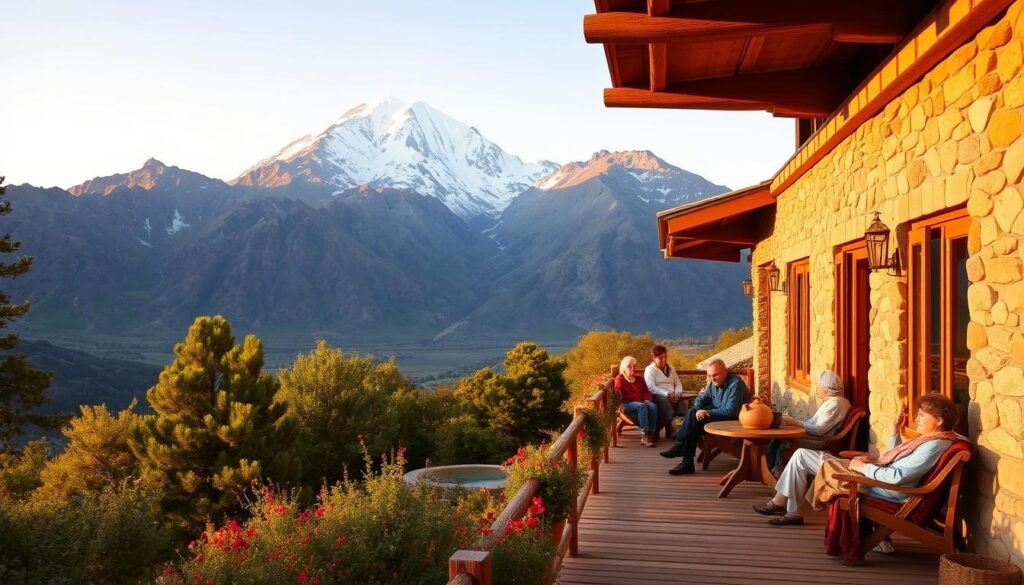
Planning your trip to Mt. Toubkal means finding the right place to stay. Around Mt. Toubkal, you can find many places to stay. These range from guesthouses in Imlil to refuges on the trail.
View our list of safe hotels and riads for women on our hotels page
Staying in Imlil: Options for All Budgets
Imlil is the main entry point to Mt. Toubkal. It has many places to stay, from simple guesthouses to luxury hotels. Staying here lets you enjoy local food and culture before climbing.
Budget-friendly options in Imlil have basic amenities like shared bathrooms. They’re perfect for saving money and meeting other travelers. Mid-range and luxury accommodations offer more comfort, with private bathrooms and Wi-Fi.
Refuges on the Trail
Refuges along the trail offer a closer stay to the mountain. They provide basic lodging and meals. These refuges are run by local families, giving you a real taste of hospitality.
Refuges have dorms and simple meals. They’re great for meeting other climbers and getting tips from guides and locals.
Camping vs. Lodging
Choosing between camping and lodging depends on what you prefer and your budget. Camping lets you connect with nature, while lodging offers comfort.
| Accommodation Type | Cost | Comfort Level | Experience |
|---|---|---|---|
| Camping | Low | Basic | Immersive |
| Lodging (Refuges) | Moderate | Basic | Social, Local Culture |
| Lodging (Imlil) | Variable | Variable | Comfortable, Local Culture |
Whether camping or lodging, morocco mountain adventures are unique. Booking toubkal guided tours can make your trip smoother. For more adventures, check out atlas mountains hiking trails for stunning views and cultural experiences.
Cultural Insights for Your Journey
The Toubkal trek is about more than just reaching the top. It’s also about diving into the Berber culture. As you get ready for your Jebel Toubkal climb, knowing and respecting local customs will make your trip better.
Local Customs and Etiquette
When you meet the Berber people, remember their customs and traditions. For example, take off your shoes as a sign of respect when visiting homes or local places. Also, dress modestly, covering your shoulders and knees, when walking through villages.
Here’s a quick guide to local etiquette:
| Custom | Description |
|---|---|
| Greeting | Use a warm greeting; locals appreciate a friendly “As-salamu alaykum” (peace be upon you). |
| Dress Code | Dress modestly, covering shoulders and knees. |
| Photography | Ask permission before taking photos of people or their property. |
Language Tips for Travelers
Many locals in the tourism industry speak some English. But, learning a few Arabic or Berber phrases can really help. Saying “Shukraan” (thank you) can get you smiles and good vibes from the locals.
- Marhaba – Hello
- Shukraan – Thank you
- Afwan – You’re welcome
Traditional Foods to Try
The local food shows the rich culture of the area. Make sure to try dishes like Tagine and Couscous. Tagine is a slow-cooked stew, and Couscous is a staple made from semolina flour.
Here’s a comparison of some local dishes you might enjoy:
| Dish | Description |
|---|---|
| Tagine | A slow-cooked stew made with meat, vegetables, and dried fruits. |
| Couscous | A traditional North African dish made from semolina flour, often served with vegetables and meat. |
| Msemen | A type of pancake made with flour, water, and oil, often served with honey or sugar. |
By embracing the local culture, you’ll not only enrich your North Africa summit experience but also help the local economy and community.
Safety Tips for Climbing
Before you climb Mt. Toubkal, it’s key to know and avoid risks. Climbing North Africa’s highest peak can be dangerous if not done right. Knowing the dangers is the first step to a safe climb.
Recognizing Altitude Sickness Symptoms
Altitude sickness is a big risk on Mt. Toubkal. The high elevation can cause serious problems for some. It’s important to spot symptoms early, like headaches, nausea, dizziness, and fatigue.
If you feel these symptoms, act fast. They can get worse quickly.
- Watch how your body reacts to the altitude.
- Go down to a lower place if symptoms get worse.
- Drink lots of water and rest if you’re not feeling well.
Staying Safe in the Mountains
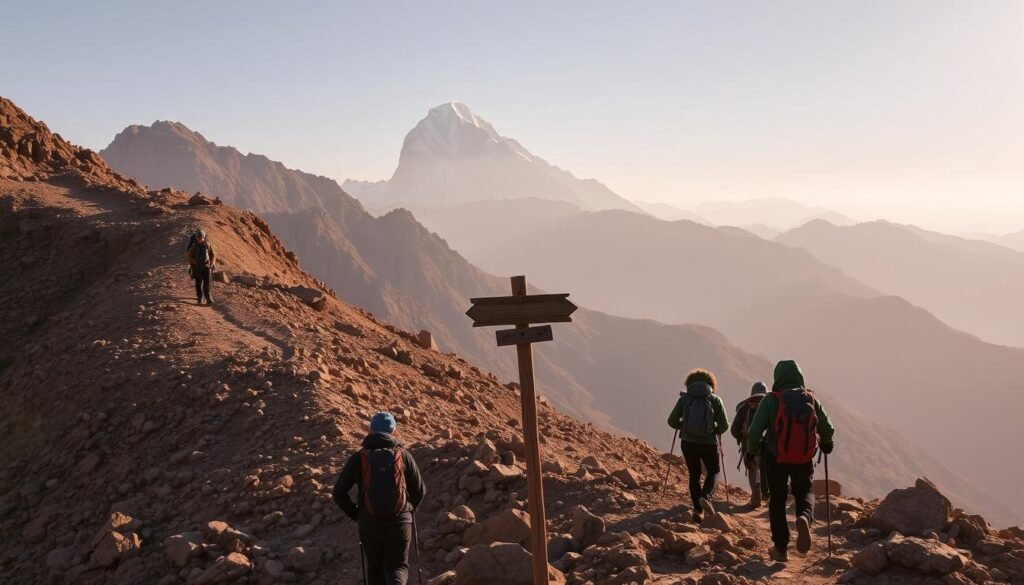
Other dangers include bad weather, steep paths, and avalanches. To stay safe:
- Check the weather forecast before you go.
- Follow marked paths and avoid risks.
- Think about getting a local guide who knows the area and weather.
Emergency Contact Information
In an emergency, having the right contacts can save your life. Make sure you have:
- The local emergency services’ contact info.
- Your country’s embassy or consulate in Morocco’s phone number.
- A personal locator beacon (PLB) or satellite phone for areas without cell service.
Also, tell a trusted friend or family about your trip. Include where you’re going and when you’ll be back.
Climate and Weather Conditions
Mt. Toubkal’s weather can change quickly, so knowing what to expect is key. The climate varies from cold winters to mild summers. There are big changes in temperature and rain throughout the year.
Understanding the Weather Patterns
The weather on Mt. Toubkal is shaped by its high altitude and location in the Atlas Mountains. In winter (December to February), it snows a lot and gets very cold. This makes climbing hard. Summer (June to August) is milder, but the weather can be unpredictable, with rain and strong winds.
What to Expect Throughout the Seasons
Here’s what you can expect in different seasons:
- Spring (March to May): Spring has mild weather and fewer people, perfect for climbing. But, watch out for rain and snow.
- Summer (June to August): Summer is the busiest time, with warm weather and long days. But, expect more people on the trails.
- Autumn (September to November): Autumn has nice temperatures and fewer climbers. But, it can get cooler at night and rain.
- Winter (December to February): If you’re good at climbing in winter, this is a great time. But, it’s very cold and snowy.
Knowing these seasonal changes is important for planning your Toubkal guided tours or Jebel Toubkal climb. It helps you prepare for the conditions on North Africa’s highest peak.
Conclusion: Your Adventure Awaits
As you get ready for your Mt. Toubkal adventure, think of it as more than just reaching North Africa’s highest peak. It’s about diving into the rich culture and stunning landscapes of the Atlas Mountains.
Take the First Step
For those new to climbing, Toubkal trekking might seem tough. But with the right prep and guidance, it’s a journey worth taking. Standing at the summit and seeing the Atlas Mountains’ beauty is truly unforgettable.
Final Reflections
Mt. Toubkal is more than a hiking path. It’s a chance to meet local communities, visit Berber villages, and taste Moroccan hospitality. When planning your trip, think about the season, your fitness, and what gear you’ll need for a safe and fun trip.
With its easy trails, breathtaking views, and deep cultural roots, Mt. Toubkal is perfect for outdoor lovers and adventurers. So, grab your bags, put on your hiking boots, and start making memories on your mount toubkal adventure.